AERIS: An AI-Driven Aerial Recognition and Intelligence System for Real- Time Campus Security and On-Campus Presence Awareness
AERIS (Aerial Recognition & Intelligence System) is an AI-driven campus security platform that automates gate monitoring and student attendance in real time. The system combines SCRFD face detect…
الفريق
Drones Ego.
رمز الفريق
NURAI2026-0251
المشرف
زهراء راسم ندى
قراءة الوصف الكامل للمشروع
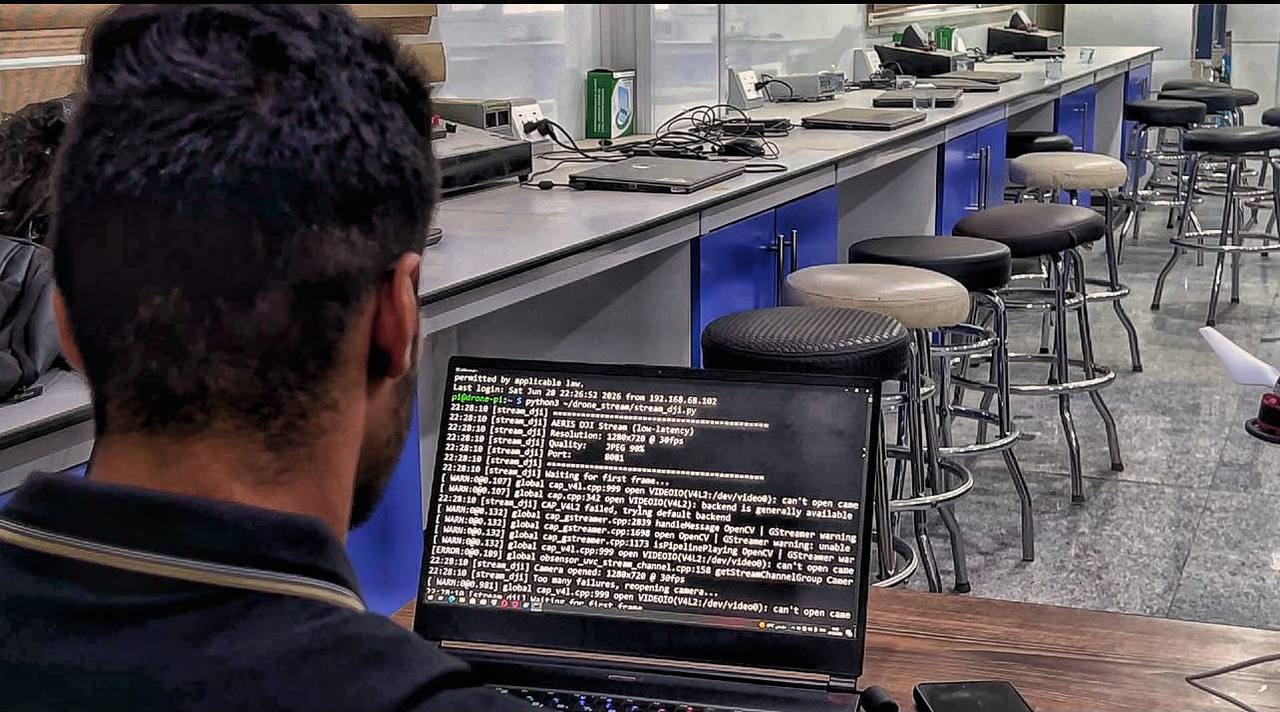
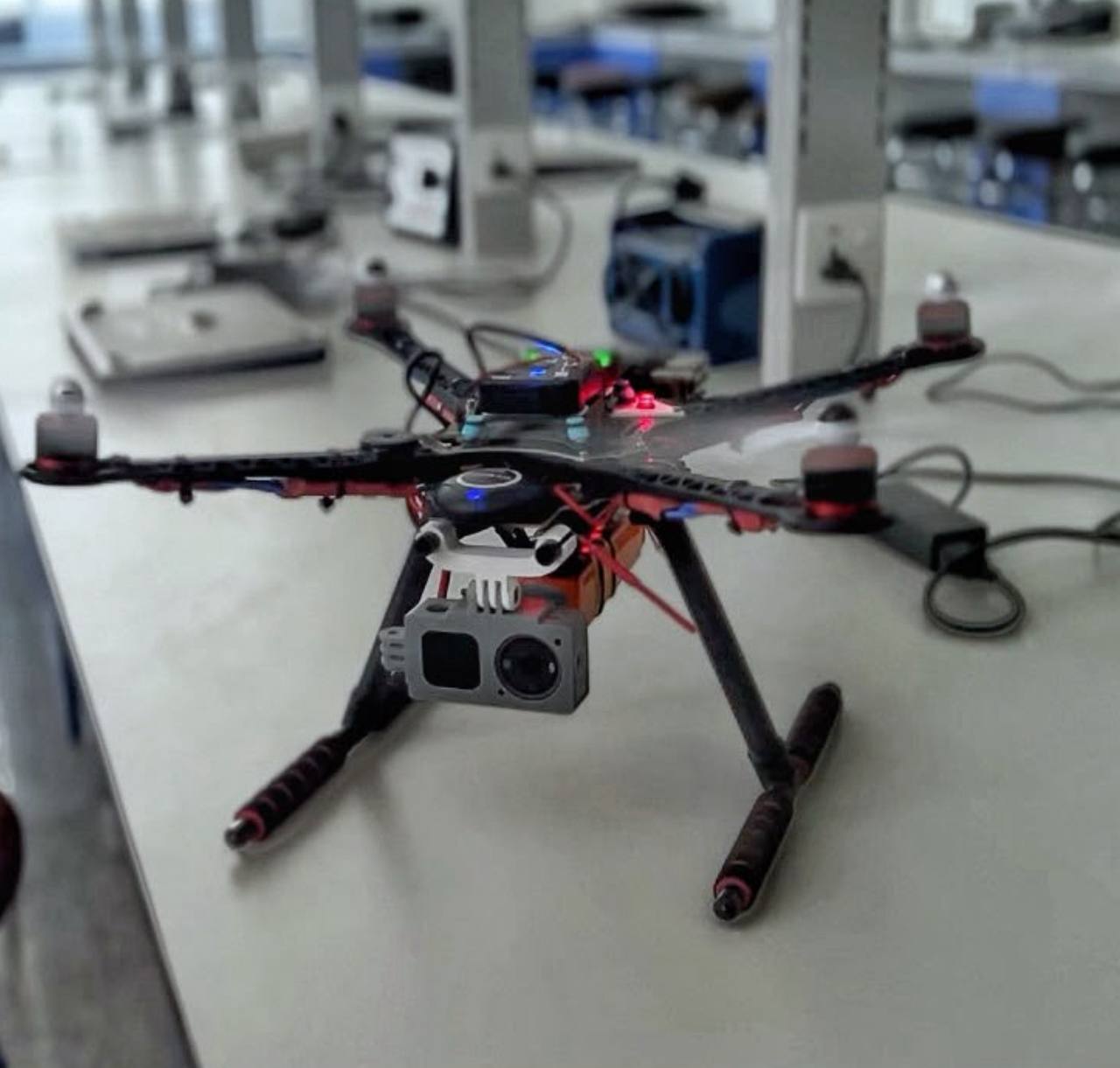
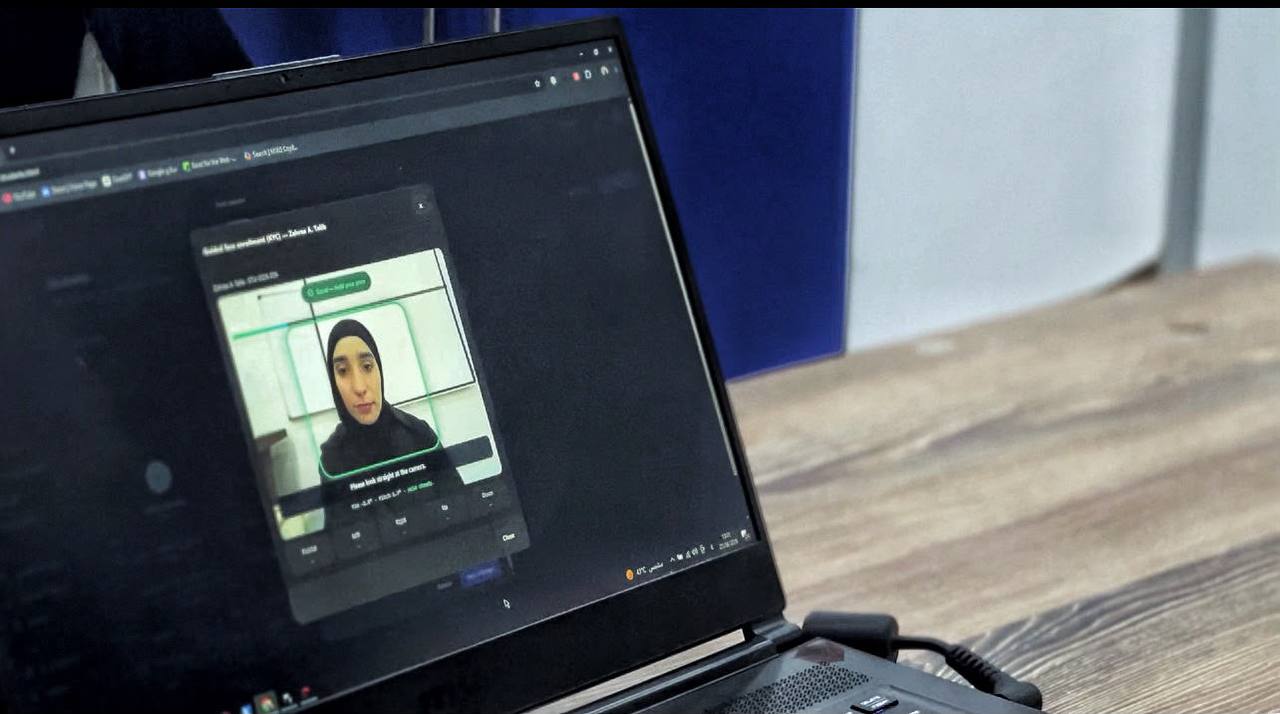
AERIS (Aerial Recognition & Intelligence System) is an AI-driven campus security platform that automates gate monitoring and student attendance in real time. The system combines SCRFD face detection, BoxMOT BoT-SORT multi-object tracking, and ArcFace/AdaFace embeddings to identify enrolled students at the point of entry, log their presence automatically, and alert security staff on unrecognised faces — all surfaced through a bilingual Arabic/English role-based dashboard. The current prototype runs on a GPU-equipped ground station paired with a Pixhawk-controlled quadcopter as the aerial platform. The long-term vision expands into four integrated segments: a Ground Control Station, an Aerial Segment (patrol drone), a Ground Segment (mobile robot or fixed gate cameras), and a Classroom Segment for automatic lecture attendance.
المسار الصناعي
Autonomous Video-to-Shorts Generation and Publishing System
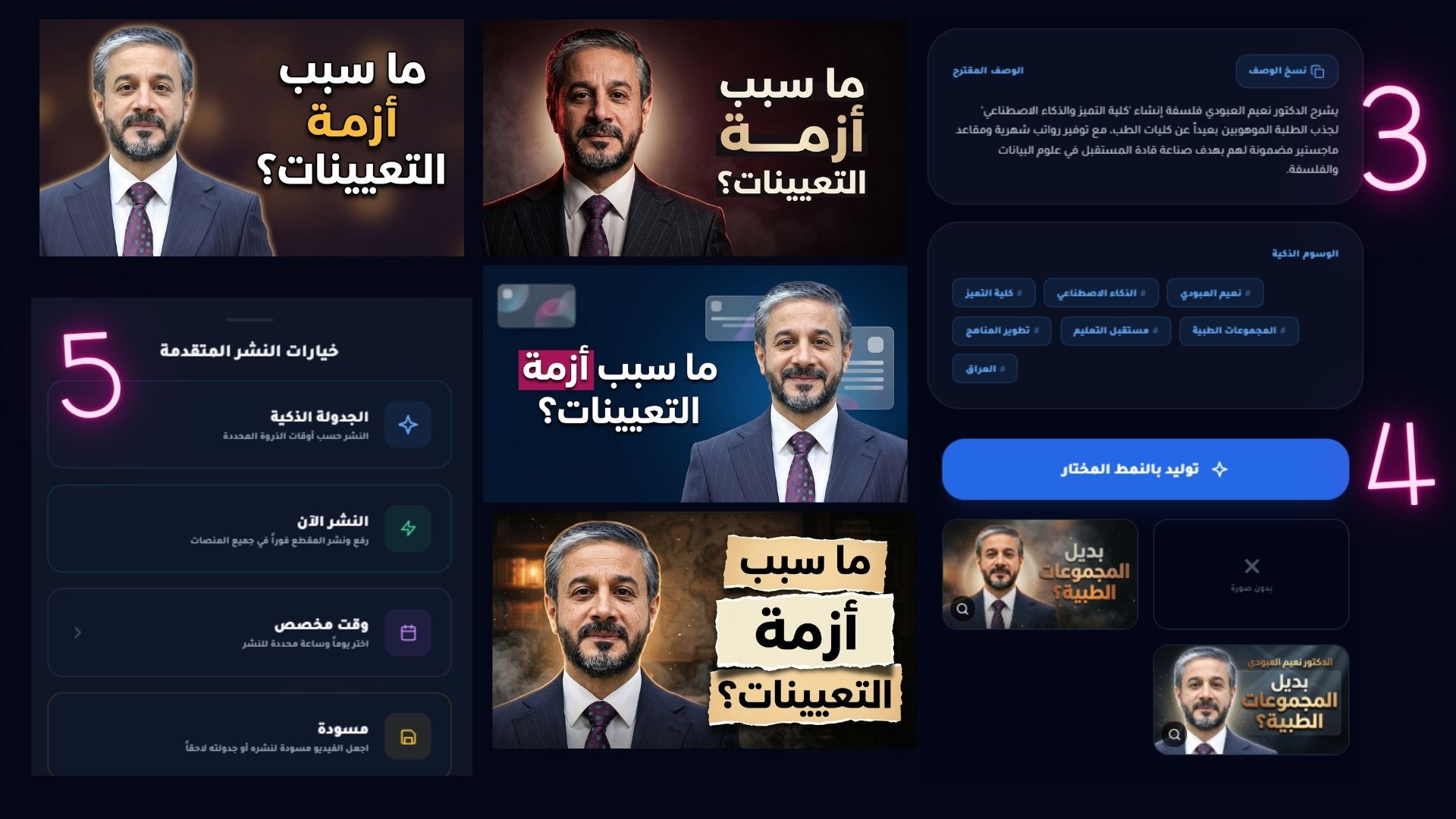
منصة تعمل كوكيل ذكاء اصطناعي (AI Agent) لأتمتة الإنتاج الإعلامي بالكامل. يقوم النظام بتحليل الفيديوهات الطويلة وتحويلها آلياً إلى مقاطع سياقية (قصيرة ومتوسطة)، مع توليد الصور المصغرة والعناوين ال…
الفريق
فريق التقنية للنصر
رمز الفريق
NURAI2026-0239
المشرف
علي عدنان اثغيب
قراءة الوصف الكامل للمشروع
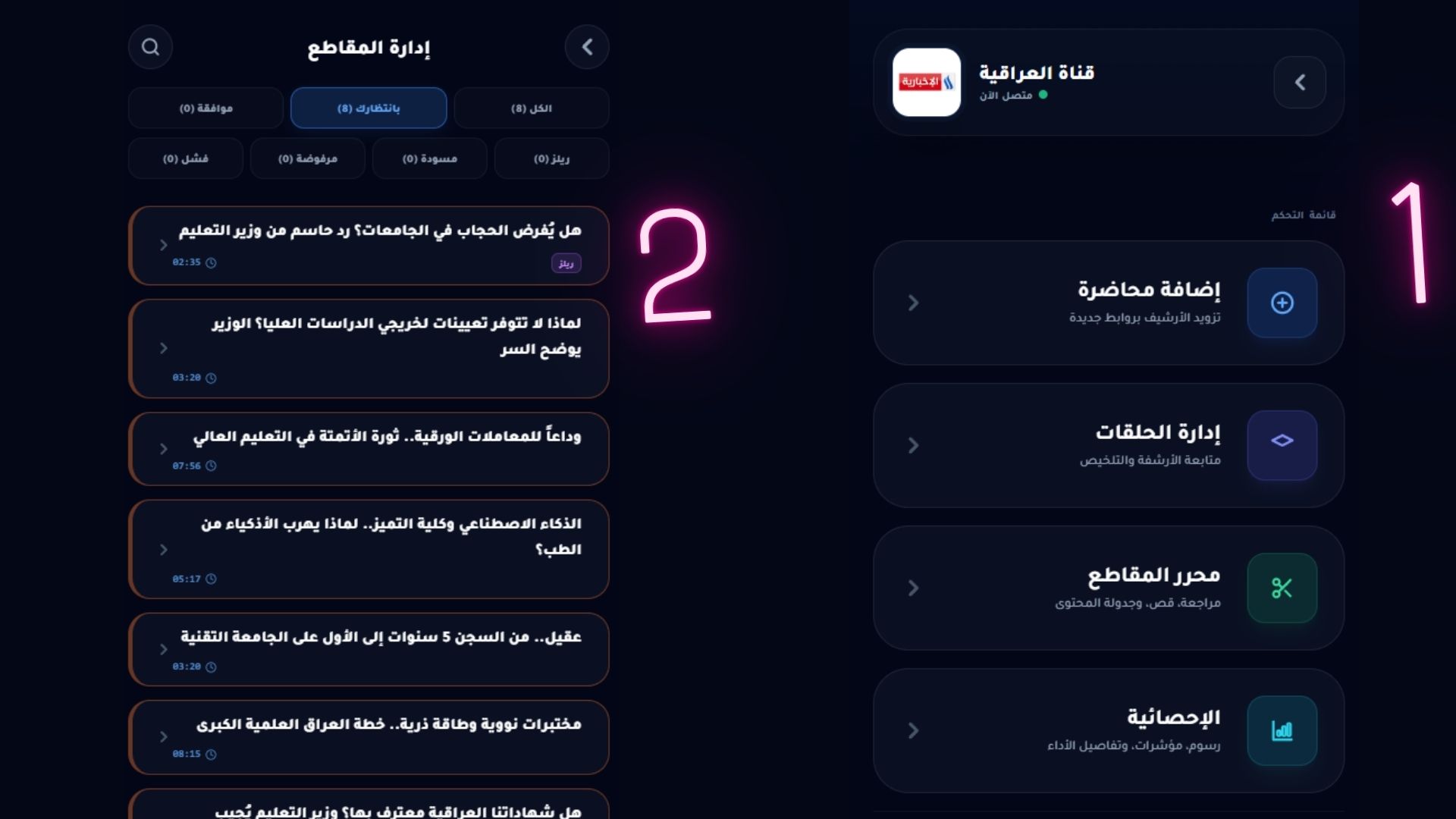
منصة تعمل كوكيل ذكاء اصطناعي (AI Agent) لأتمتة الإنتاج الإعلامي بالكامل. يقوم النظام بتحليل الفيديوهات الطويلة وتحويلها آلياً إلى مقاطع سياقية (قصيرة ومتوسطة)، مع توليد الصور المصغرة والعناوين المحسّنة (SEO). تتم جميع عمليات المعالجة والمونتاج عبر سيرفرات سحابية، لينتهي الأمر بنشر وجدولة المحتوى فورياً على أكثر من 8 منصات تواصل اجتماعي من خلال لوحة تحكم مركزية، مما يختصر عمل فريق كامل بضغطة زر.
NURAI · 2026
المسار البيئي
Designing a Smart Model for Riverine Debris Collection Using SensorBased Autonomous Systems
t This project presents the design and implementation of a Smart River Waste Collector (SRWC), an autonomous aquatic robotic system engineered to mitigate riverine pollution through real-time deb…
الفريق
صناع التقنية
رمز الفريق
NURAI2026-0240
المشرف
ا.م.د. رائد نصر العبيدي
قراءة الوصف الكامل للمشروع
t This project presents the design and implementation of a Smart River Waste Collector (SRWC), an autonomous aquatic robotic system engineered to mitigate riverine pollution through real-time debris detection and collection. The system integrates a Raspberry Pi 4 for high-level AI-driven image processing and an ESP32 microcontroller for low-level motor control. For debris recognition, a customtrained YOLOv5 model was deployed, achieving an average accuracy of 92% in distinguishing plastic waste from organic matter. The mechanical framework features a quad-layer compressed foam catamaran hull with a payload capacity of 15 kg, propelled by NEMA 17 stepper motors with thrust vectoring for precise maneuvering. A modular conveyor belt system channels waste into a 30L storage compartment equipped with ultrasonic capacity-monitoring sensors, while a 13.6 Ah lithium-ion battery with solar-assisted charging extends operation to 8 hours. Field trials in urban river segments demonstrated a 78% reduction in floating debris with a collection rate of 12.4 kg/h, representing a 3.7× efficiency improvement over traditional manual methods.
المسار الزراعي
Enhanced Morphological Grasping for Fruit Harvesting: Integrating Directional Nano-Adhesion with Logarithmic Spiral Soft Robots
This project addresses a significant problem in the field of soft robotics and automated manipulation for Fruit Harvesting, which is the unstable grasping of smooth or low-friction objects. The p…
الفريق
انامل
رمز الفريق
NURAI2026-0246
المشرف
م.م. عمر جاسب كاظم
قراءة الوصف الكامل للمشروع
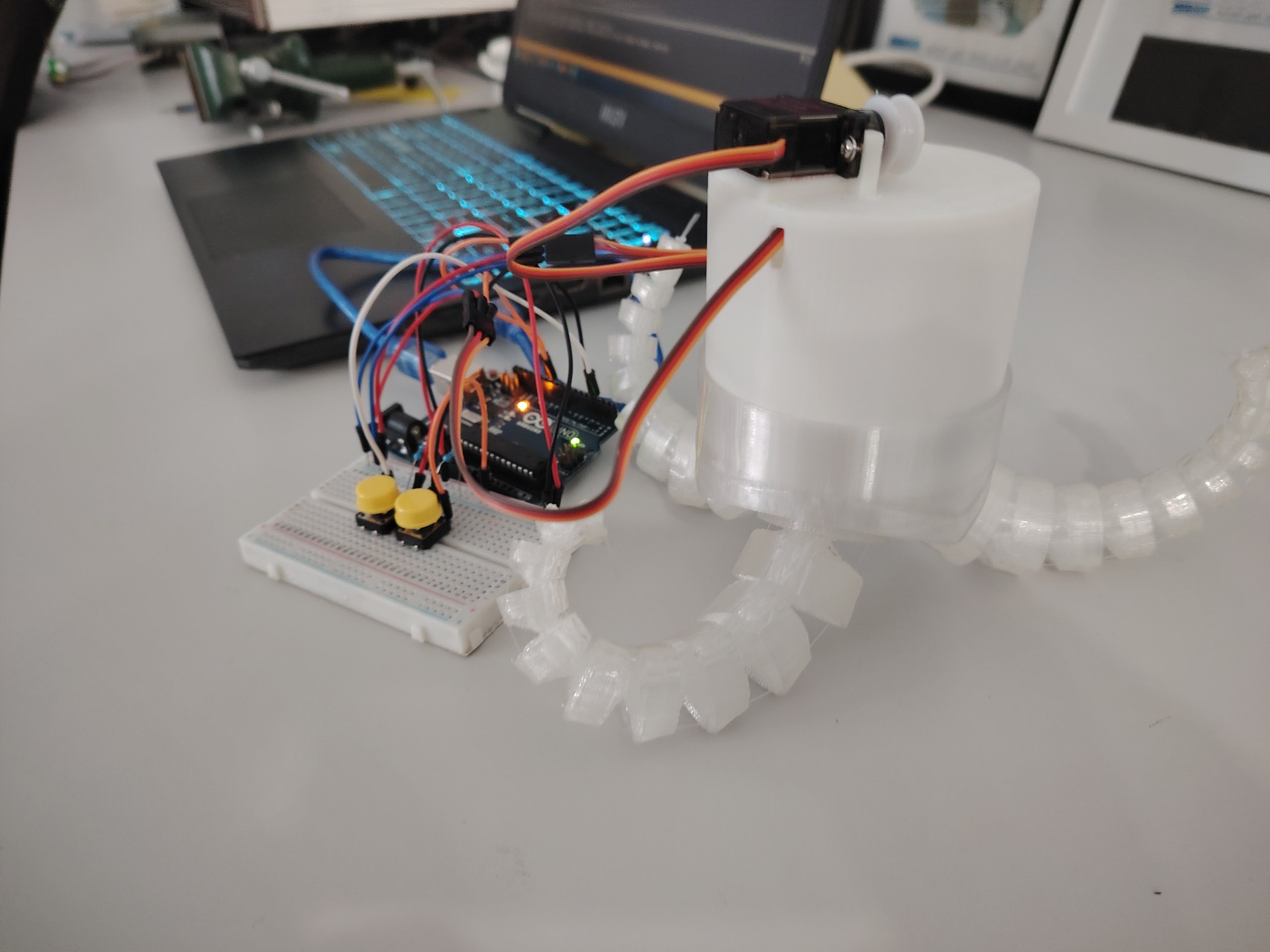
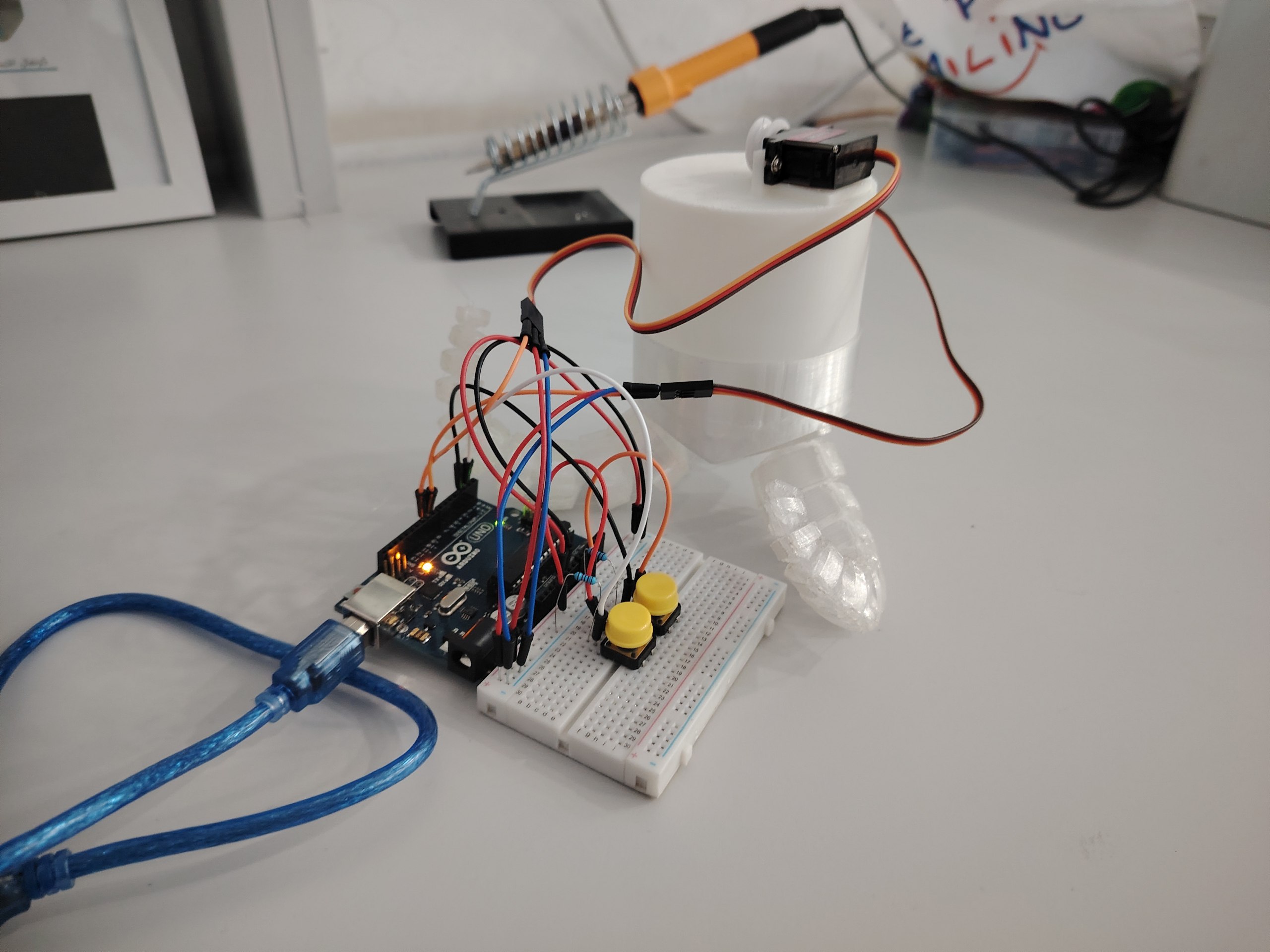
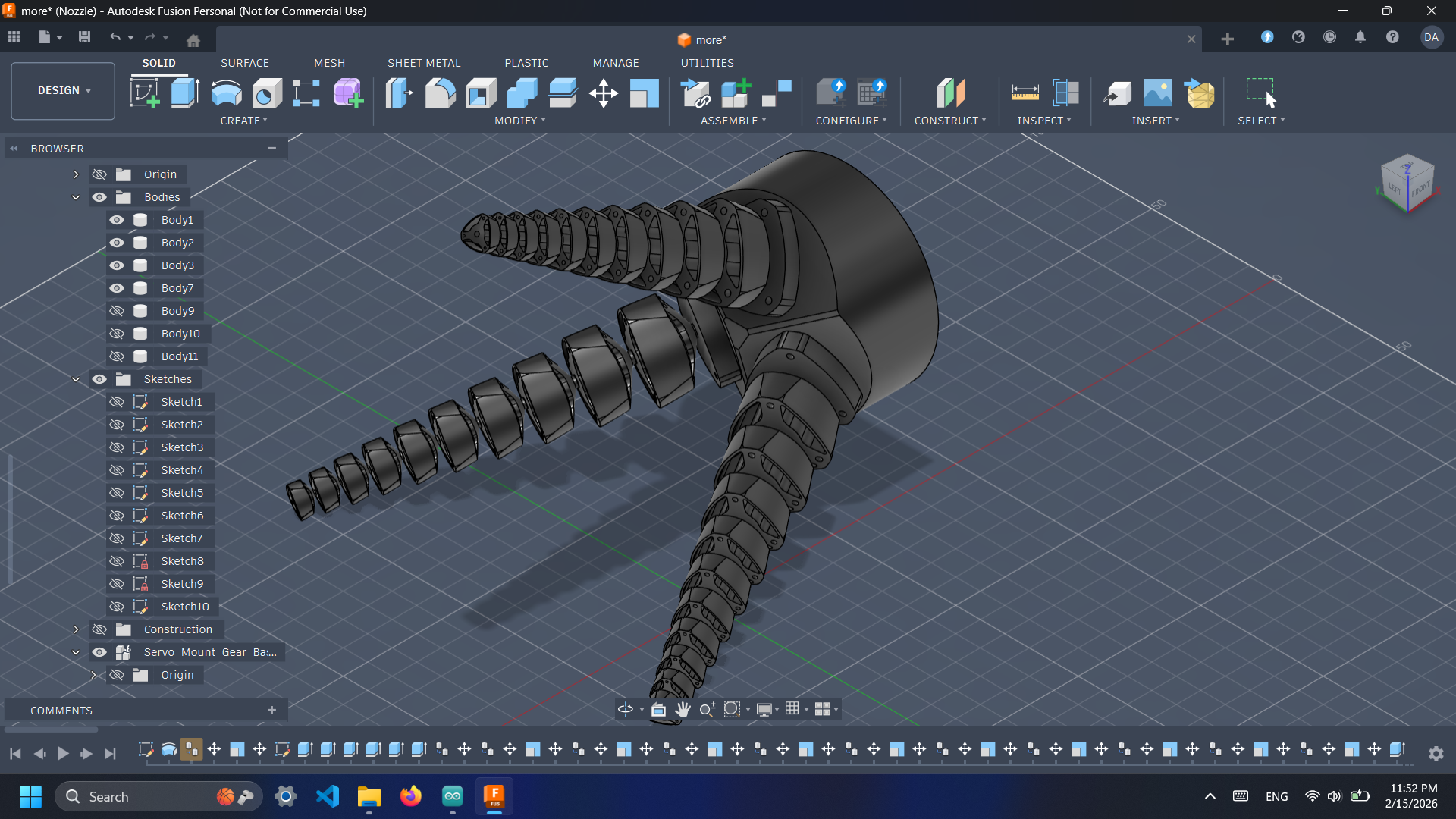
This project addresses a significant problem in the field of soft robotics and automated manipulation for Fruit Harvesting, which is the unstable grasping of smooth or low-friction objects. The proposed solution is based on a cable-driven logarithmic spiral soft robot (SpiRob) integrated with 3D-printed flexible contact membranes and reusable directional nano-adhesion tape, with the aim of maximizing payload stability without requiring excessive mechanical clamping force. The expected outcomes include a substantial increase in grasping reliability for 3-arm robotic arrays, allowing the system to securely hold smooth geometries by combining morphological wrapping with physical van der Waals adhesion.
المسار الطبي
First Response System (FRS)
Emergency departments around the world face increasing challenges due to overcrowding, limited medical staff, and the need to make rapid clinical decisions. These conditions can lead to delayed d…
الفريق
فريق نبض التقني
رمز الفريق
NURAI2026-0244
المشرف
د.مازن محمد يوسف
قراءة الوصف الكامل للمشروع
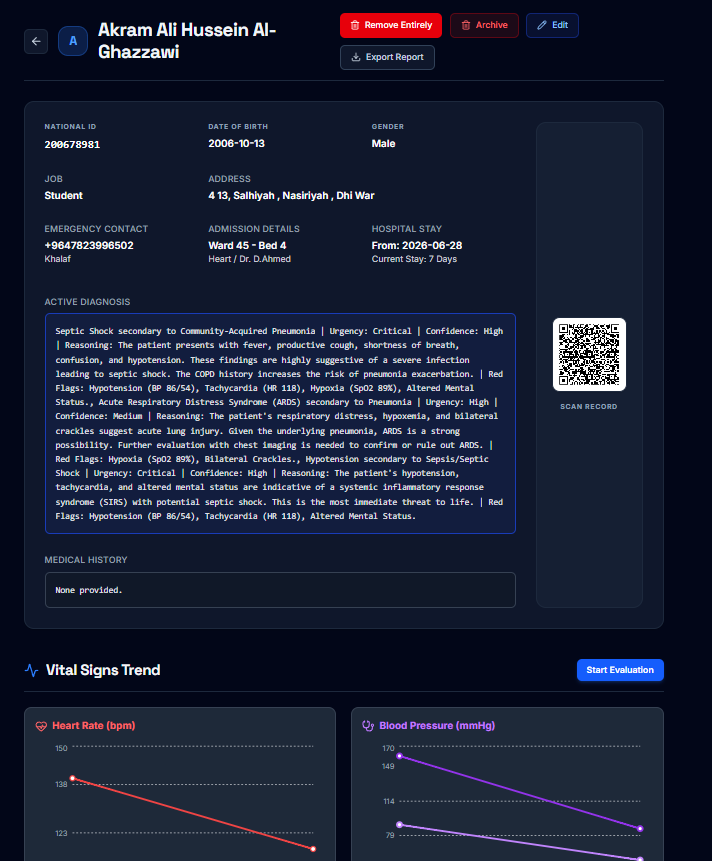
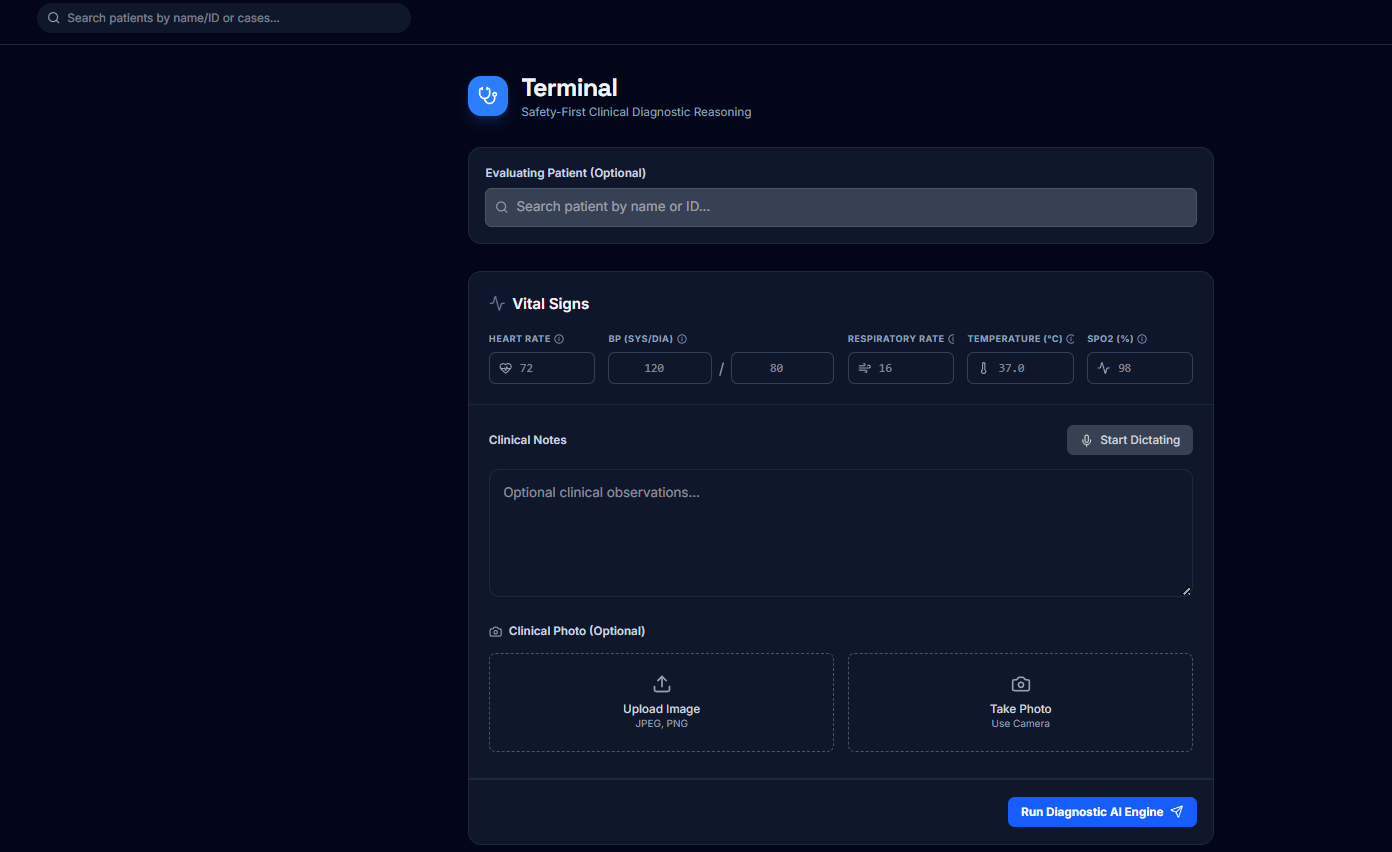
Emergency departments around the world face increasing challenges due to overcrowding, limited medical staff, and the need to make rapid clinical decisions. These conditions can lead to delayed diagnoses, inappropriate treatment, and preventable medical errors that may put patients' lives at risk. To address these challenges, this project introduces the First Response System (FRS), an intelligent web-based clinical decision support platform powered by artificial intelligence.
The First Response System is designed to assist healthcare professionals during the initial assessment of emergency patients. Rather than replacing physicians, the platform serves as a decision-support tool that provides fast, data-driven recommendations to improve the accuracy and efficiency of emergency care.
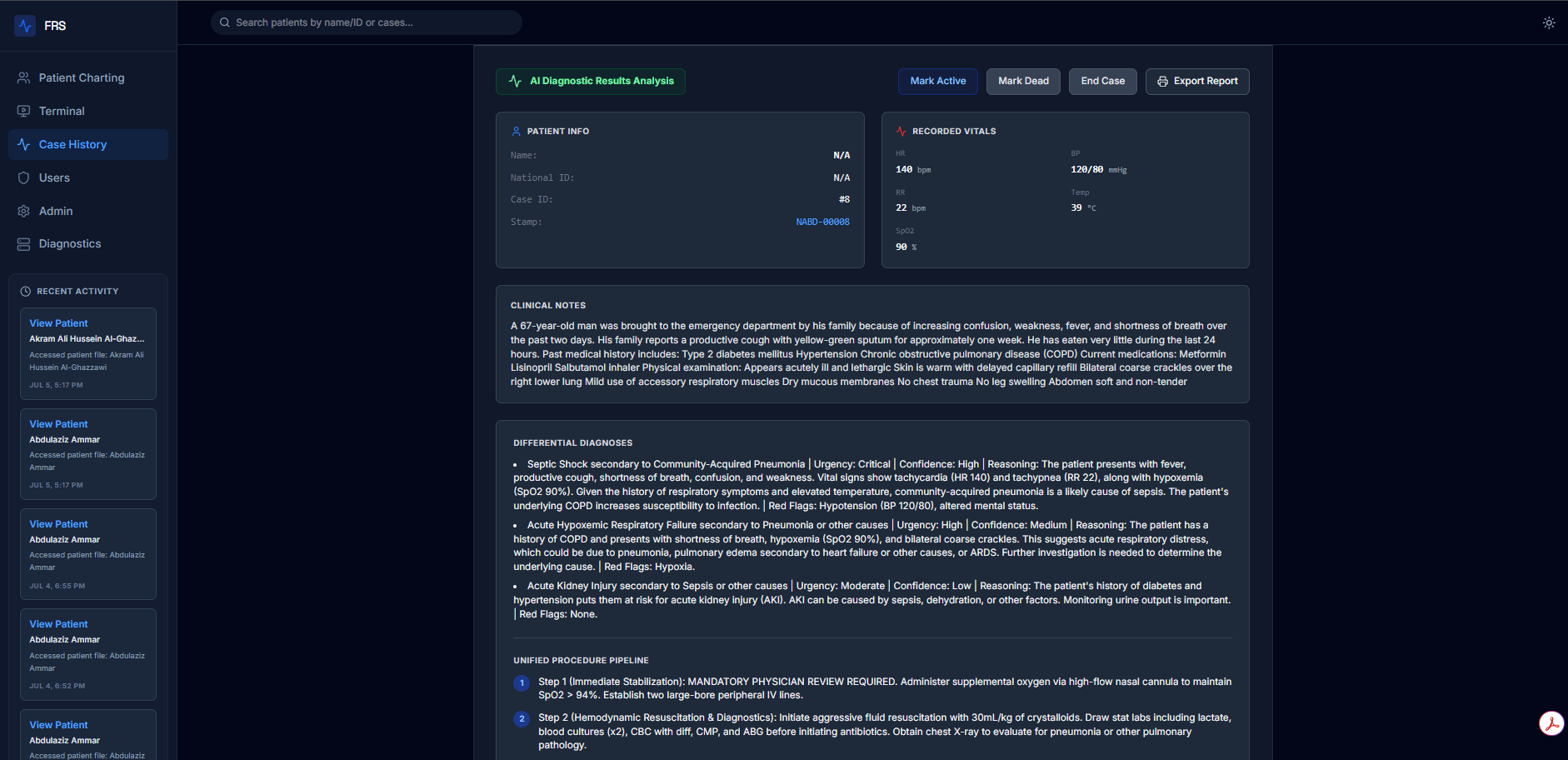
The system collects essential patient information, including vital signs (such as heart rate, blood pressure, body temperature, respiratory rate, and oxygen saturation) along with images of visible symptoms or injuries. Using advanced artificial intelligence algorithms trained on extensive medical datasets and real clinical cases, FRS analyzes the patient's information .
After processing the data, the system generates the three most probable diagnoses, each accompanied by a confidence percentage to help clinicians evaluate the likelihood of each condition. In addition, FRS recommends safe preliminary medical actions based on established clinical guidelines, automatically generates a comprehensive medical report, and securely forwards the report to the supervising physician for review and final clinical decision-making.
By providing rapid and reliable diagnostic support during the critical first stage of patient evaluation, FRS aims to reduce diagnostic errors, improve communication among healthcare teams, shorten response times, and enhance patient safety. The platform combines artificial intelligence with medical expertise to support, rather than replace, healthcare professionals, ensuring that final diagnoses and treatment decisions always remain under the supervision of qualified physicians.
Overall, the First Response System represents an innovative application of artificial intelligence in emergency medicine, offering a practical solution to improve the quality, speed, and reliability of emergency healthcare services while helping medical staff deliver more effective patient care under high-pressure conditions.
المسار الطبي
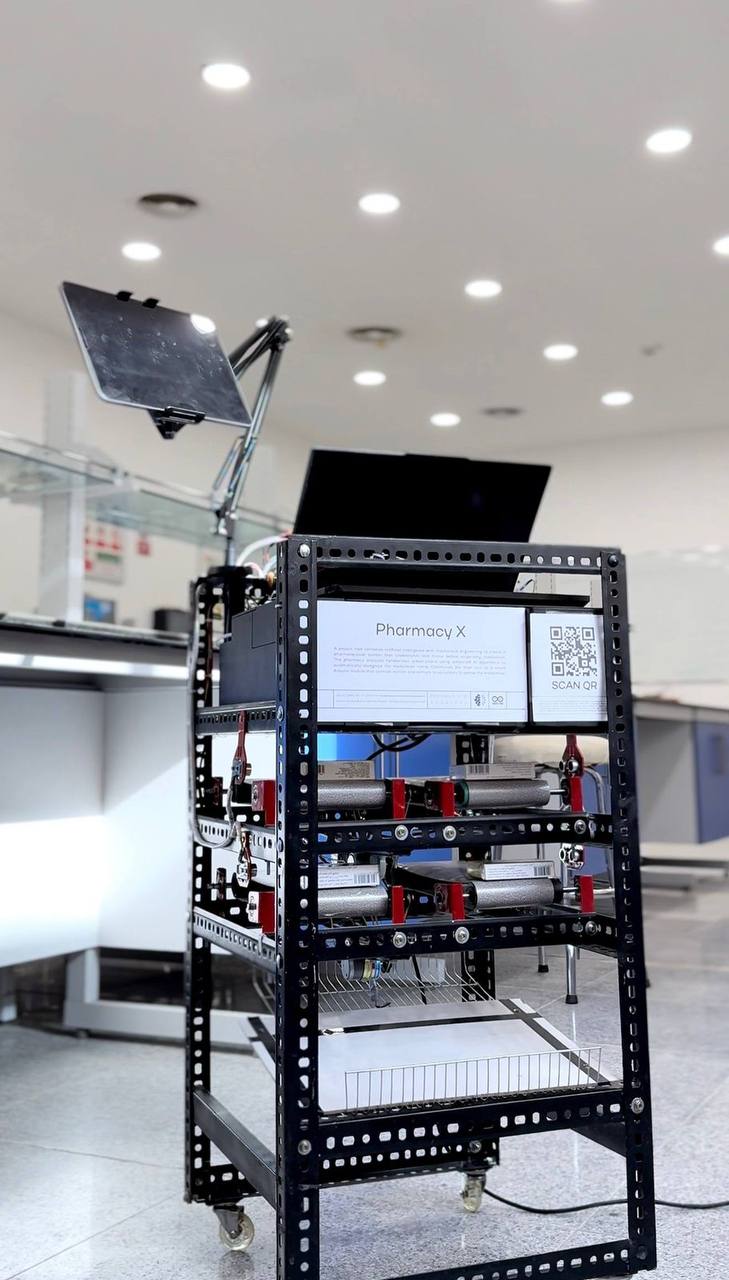
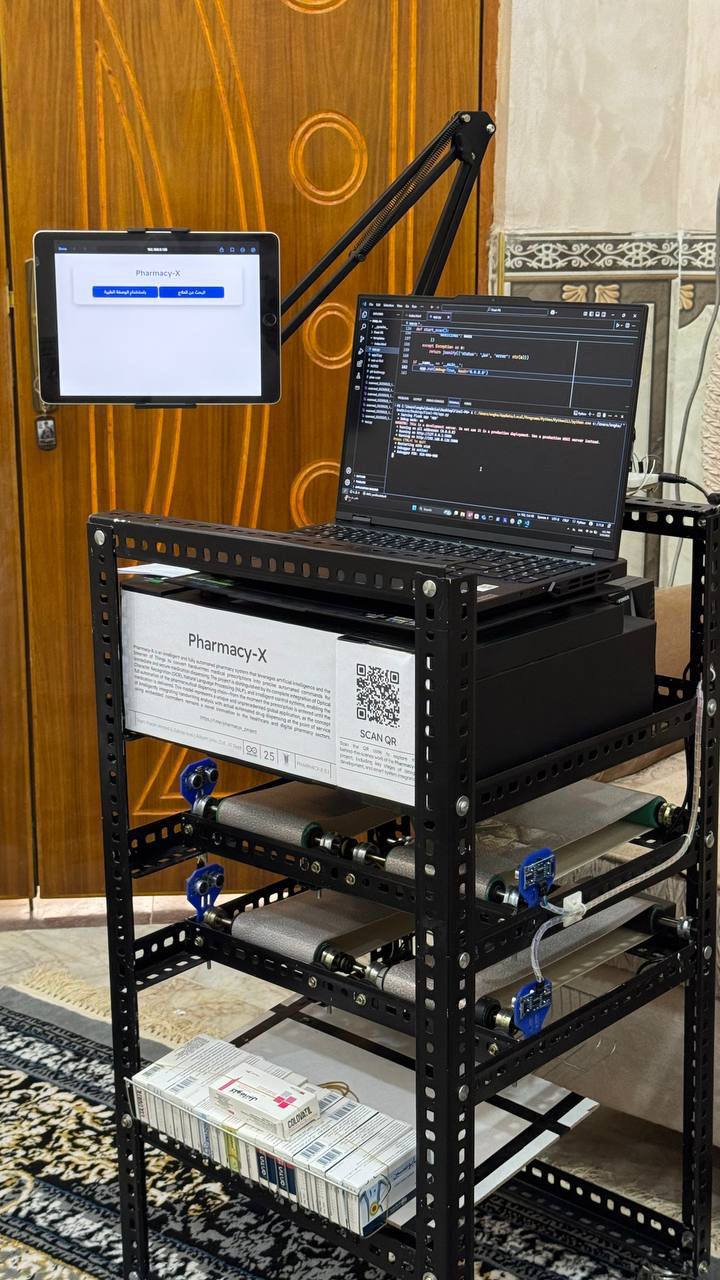
Pharmacy-X: An Automated Smart System for Handwritten Prescription Recognition and Direct Dispensing in Emergency Wards
This project addresses critical operational inefficiencies in emergency medical services and pharmacy automation caused by reliance on manual prescription processing. We propose an integrated sol…
الفريق
الصيدلية الذكية
رمز الفريق
NURAI2026-0237
المشرف
م.م. عباس عبدالعالي جاسم
قراءة الوصف الكامل للمشروع
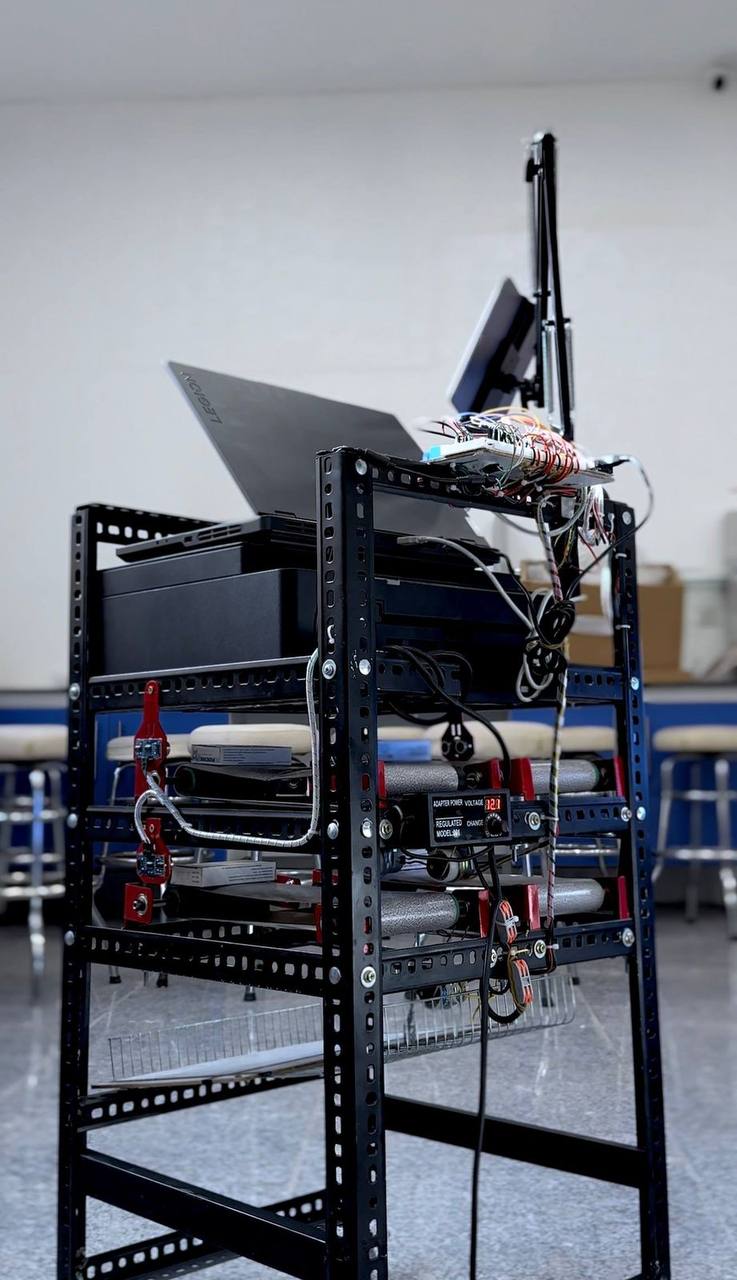
This project addresses critical operational inefficiencies in emergency medical services and pharmacy automation caused by reliance on manual prescription processing. We propose an integrated solution combining advanced pre-processing and Natural Language Processing (NLP) with Cloud-based Optical Character Recognition (OCR) and IoT-driven mechanical dispensing. The system aims to automate the end-to-end process: interpreting handwritten medical prescriptions and dispensing medication with minimal human intervention. To overcome the persistent challenge of highly illegible handwriting, the system employs a multi-layered approach involving image enhancement, fuzzy string matching, and medical context-aware analysis to enhance recognition accuracy. The expected outcomes include significantly accelerated treatment times in emergency departments while allowing clinicians to maintain their established, rapid pen-and-paper workflow seamlessly.
المسار الطبي
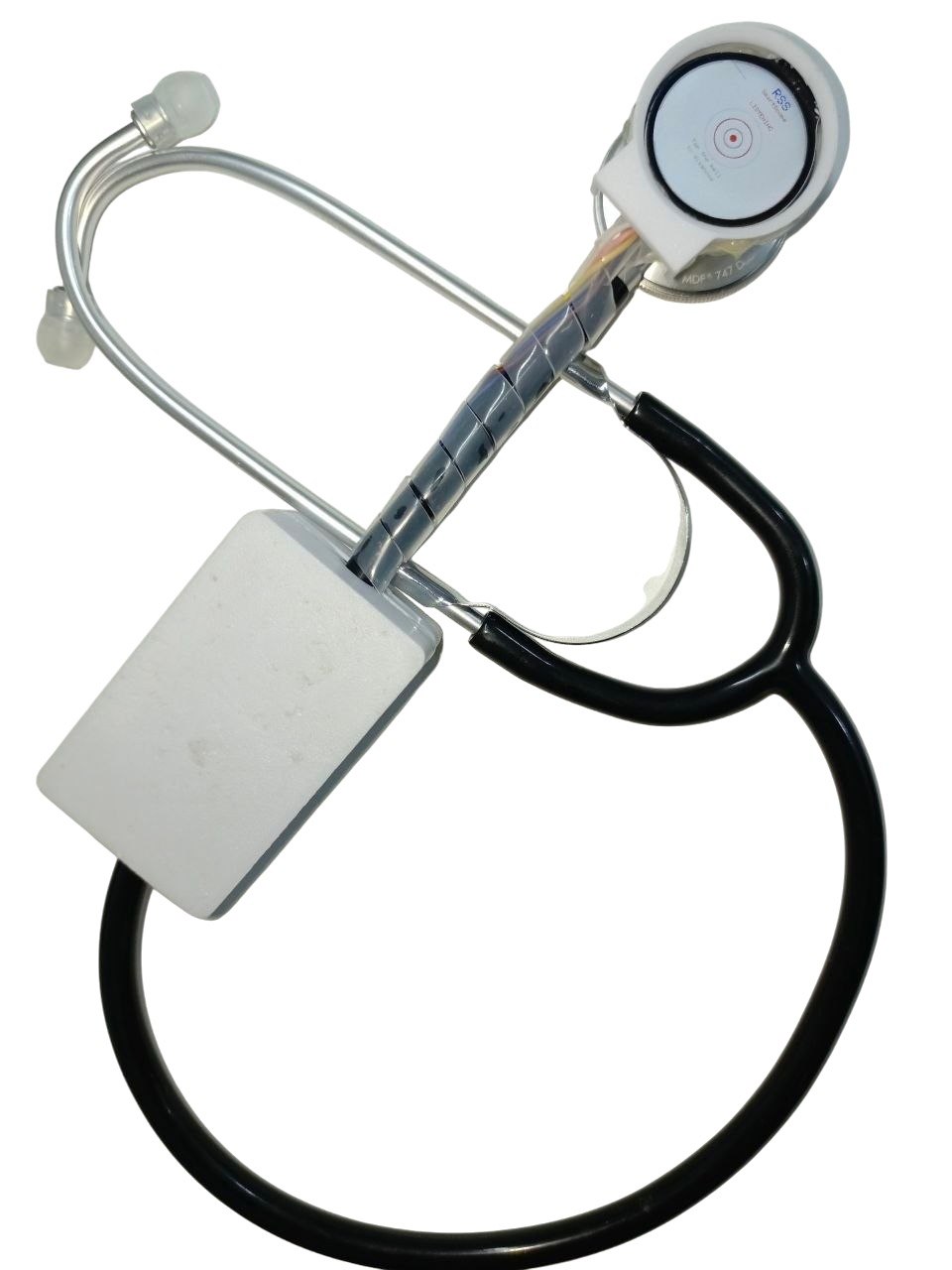
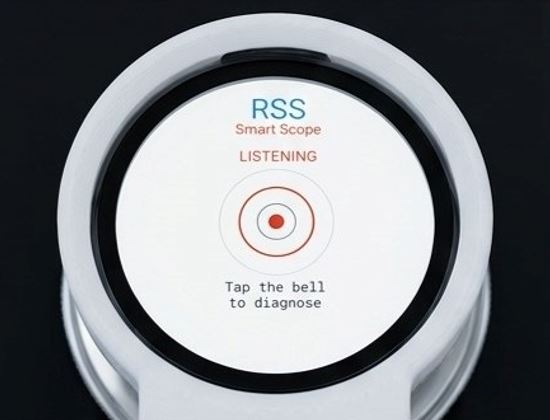
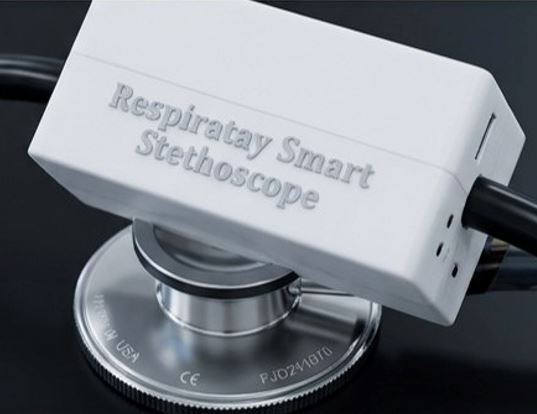
The Respiratory Smart Stethoscope (RSS): A Real-Time, Edge-AI Powered Auscultation Device for Differential Diagnosis of Lung Anomalies Using 1D CNNs
In this Project, we present a Respiratory Smart Stethoscope (RSS) designing for classification of common lung diseases. The proposed RSS model provides a fully digitized diagnostic loop and repla…
الفريق
Owlai
رمز الفريق
NURAI2026-0245
المشرف
محمد عبدالهادي دايخ
قراءة الوصف الكامل للمشروع
In this Project, we present a Respiratory Smart Stethoscope (RSS) designing for classification of common lung diseases. The proposed RSS model provides a fully digitized diagnostic loop and replaces conventional stethoscopes. The RSS system involved INMP441 MEMS microphone, and an ESP32-S3 microcontroller. The MEMS recognizes faint and loud lung sounds, and the INMP441 microphone to capture lung sounds. We applied a modified MFE algorithm with a high-quality time window (Fast Fourier Transform length: 512) to extract the prominent acoustic features. The proposed model is trained on a lightweight, one-dimensional (CNN). A publicly available respiratory sound database named ICBHI 2017 is employed to test the proposed model. The dataset comprises 5.5 hours of recordings with 6898 respiratory cycles from 126 subjects and Mendeley Lung Sounds recorded from 35 healthy, 77 with pathology subjects. We achieved an accuracy of 84% with the generalizability of the non-visual test data. The proposed model demonstrated remarkable resource efficiency, consuming only about 20.1 kilobytes of RAM, with a very fast response time of approximately 17 or 19 milliseconds.
مسار خدمة المجتمع
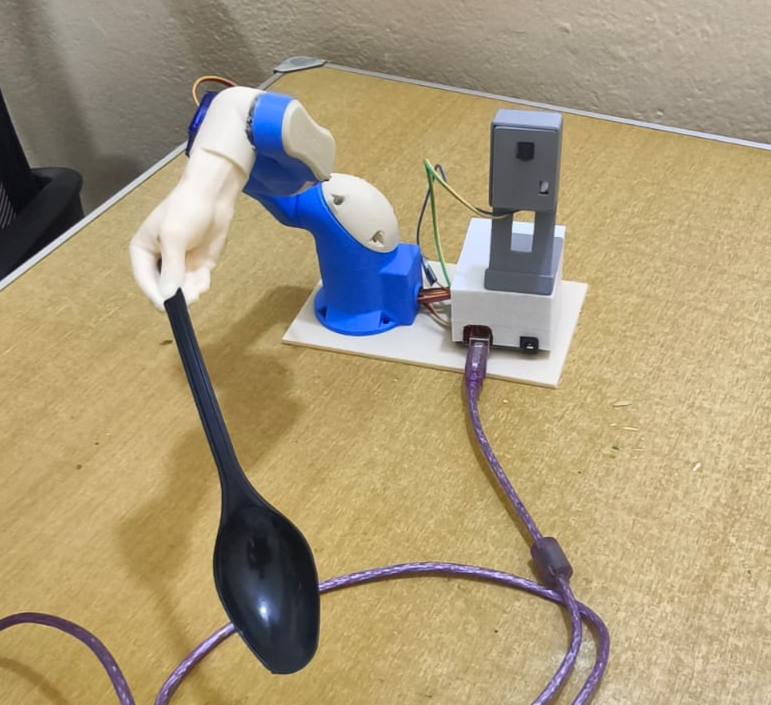
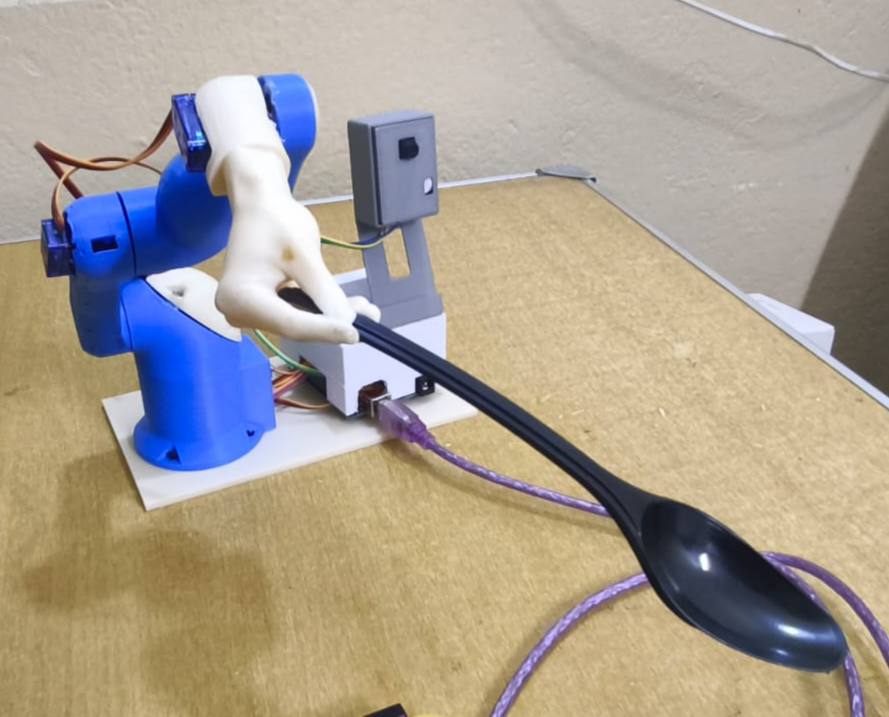
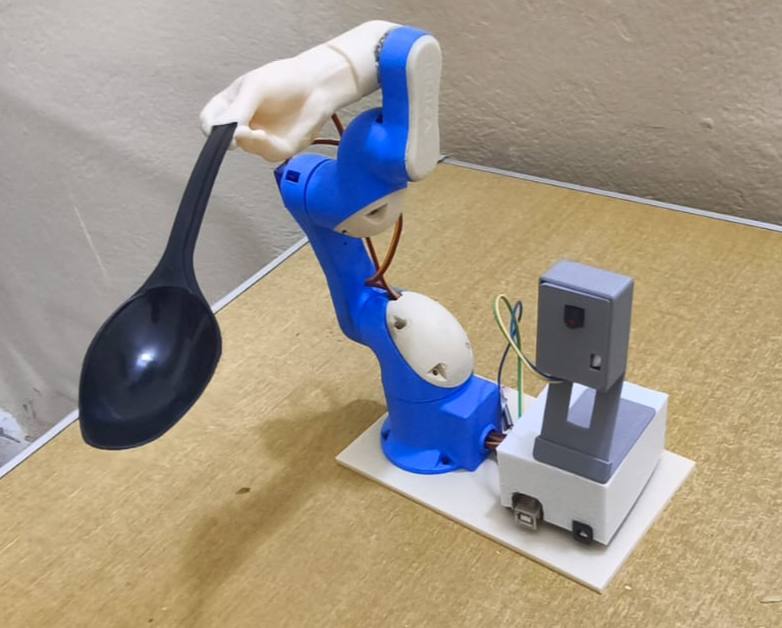
Vision-Guided 3D-Printed Assistive Feeding Arm Robot
Independent feeding requires the coordinated performance of perception, utensil manipulation, motion control, and safe interaction with the user. This project presents the mechanical redesign and…
الفريق
معين
رمز الفريق
NURAI2026-0247
المشرف
م.م. عمر جاسب كاظم
قراءة الوصف الكامل للمشروع
Independent feeding requires the coordinated performance of perception, utensil manipulation, motion control, and safe interaction with the user. This project presents the mechanical redesign and prototype implementation of a vision-guided assistive feeding robot based on a custom 3D-printed multi-joint manipulator. The redesigned architecture moves beyond conventional feeding prototypes in which a spoon is permanently attached to the terminal link. Instead, the proposed end-effector is designed to establish distributed contact around a lightweight feeding utensil, thereby improving tool stabilization and allowing the manipulation module to be replaced or modified according to the required task. The mechanical components, including the articulated arm robot, radial mounting hub, actuator supports, and protective enclosure, were developed using computer-aided design and prepared for additive manufacturing. Servo-based actuation is coordinated through an embedded control architecture, while an ESP32-CAM module provides visual observation of the user and supports the initiation and supervision of the feeding sequence. Prototype-level demonstrations were conducted to examine coordinated joint motion, utensil holding, approach positioning, and withdrawal.