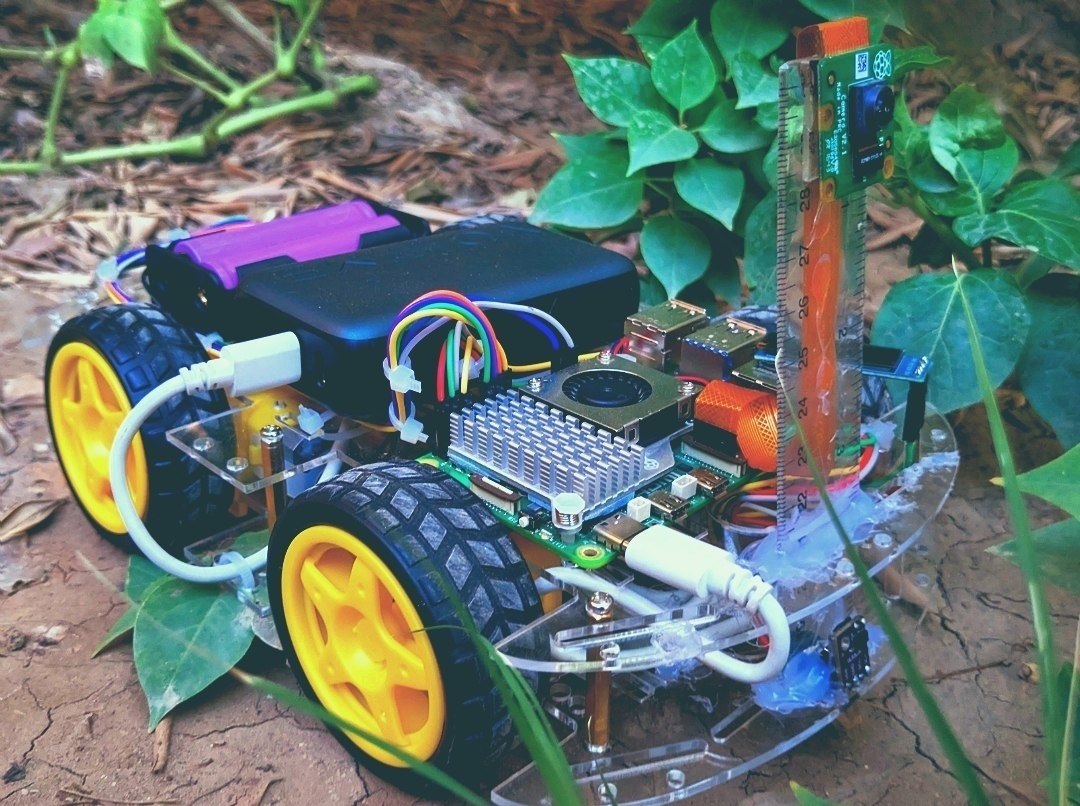
AgroScan AI: Autonomous Edge-Computing Rover for Precision Farming
This project addresses the critical problem of indiscriminate pesticide application and watering in modern agriculture, which leads to severe environmental pollution, soil degradation, high opera…
الفريق
AM2Y : NextGen
رمز الفريق
NURAI2026-0303
المشرف
د.اياد جاسم محمد
قراءة الوصف الكامل للمشروع
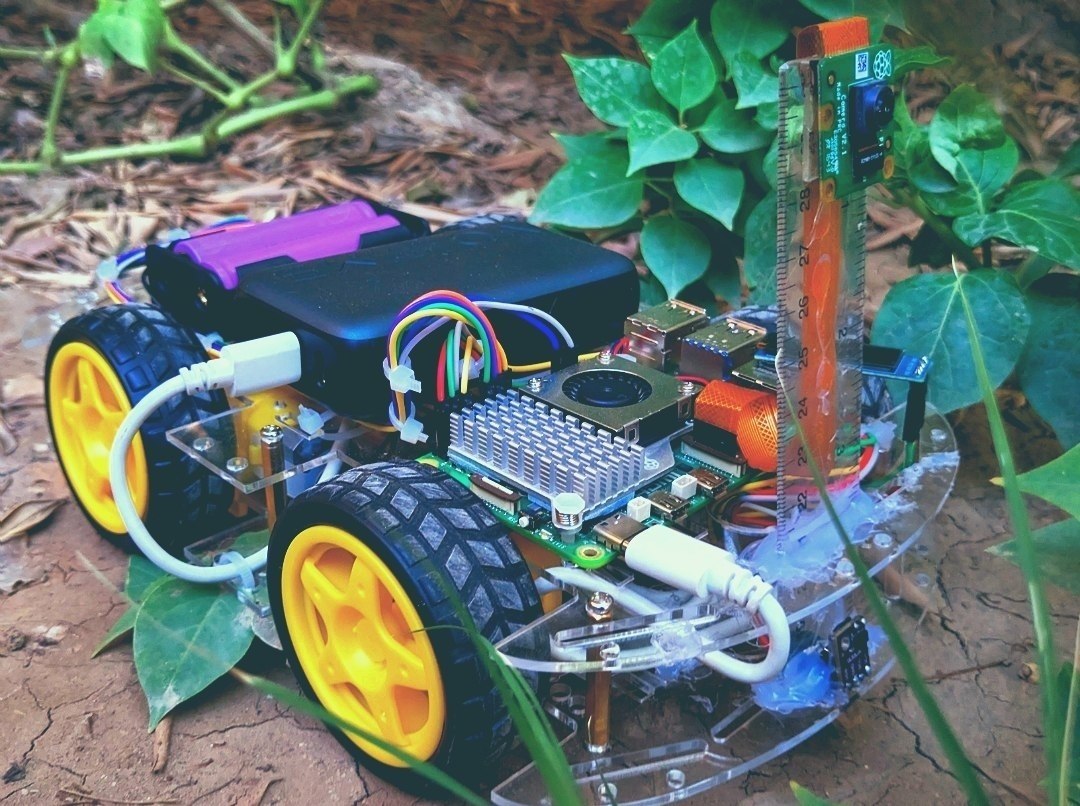
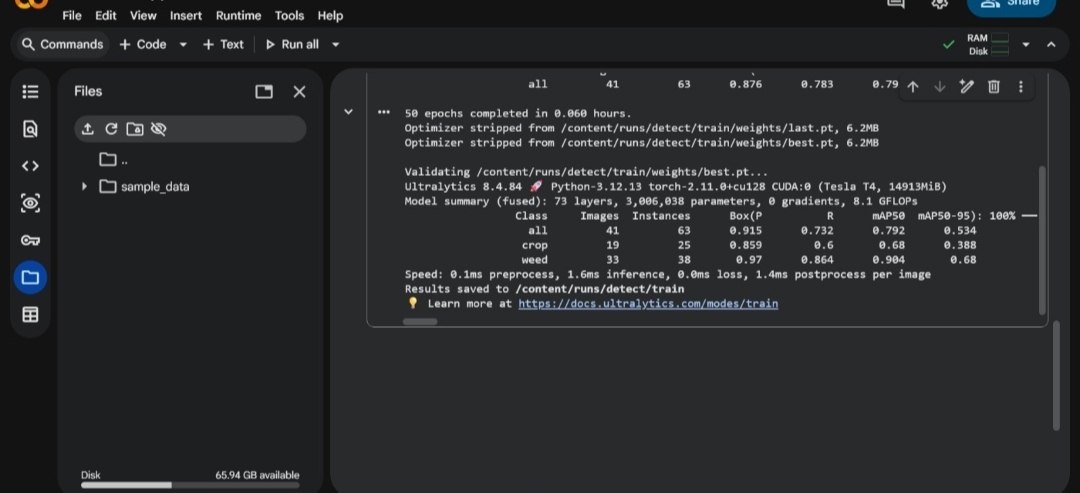
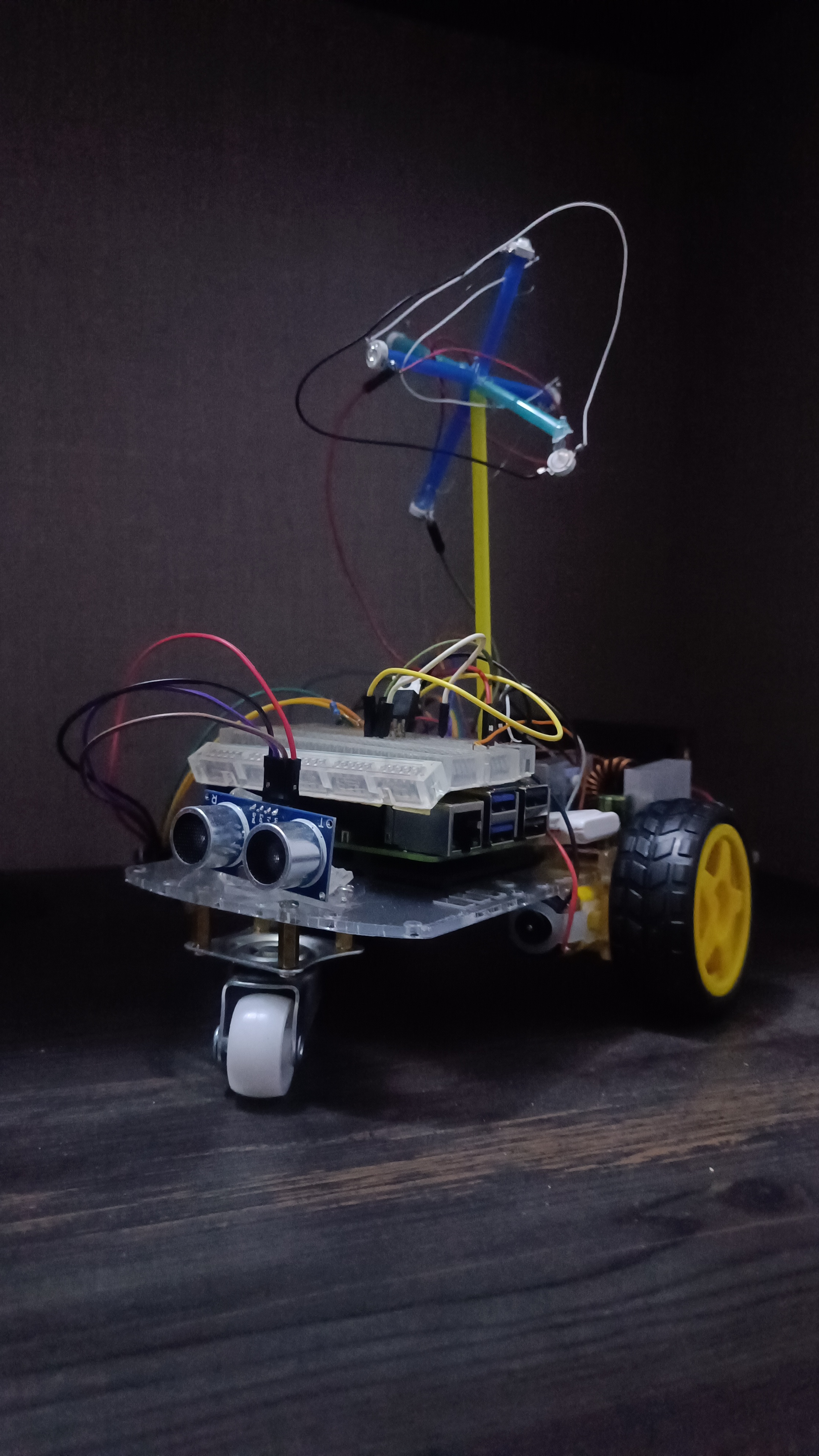
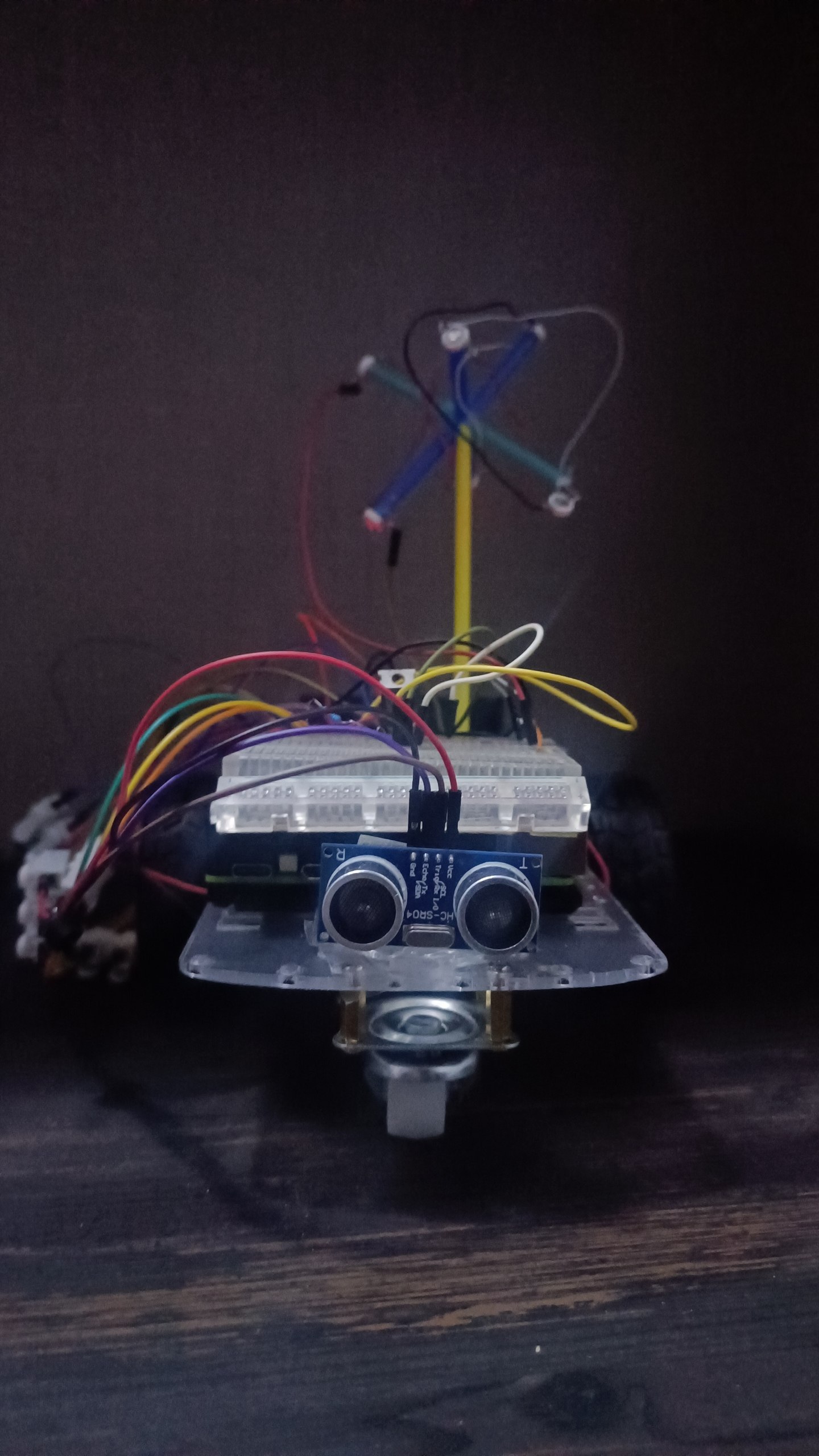
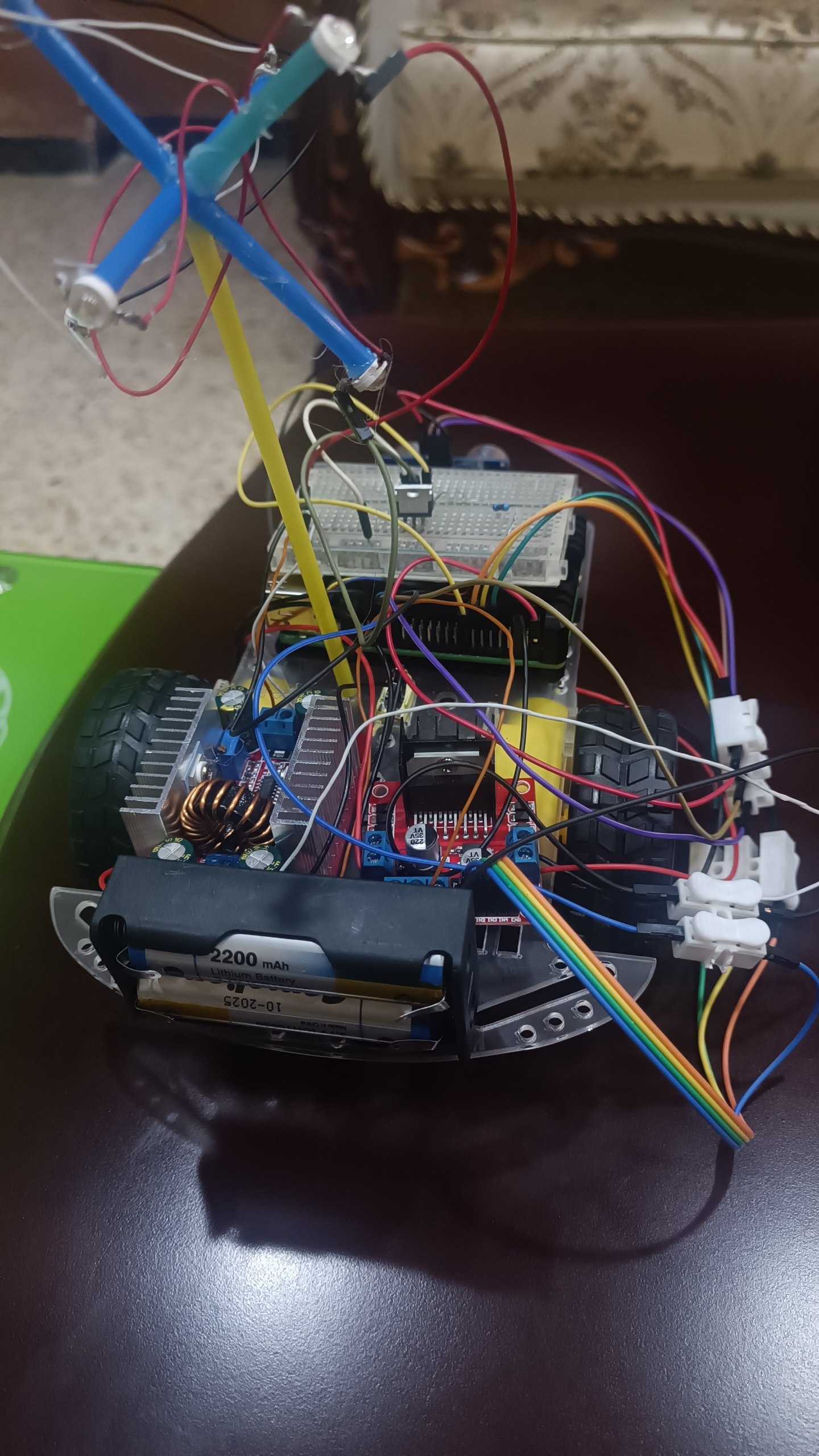
This project addresses the critical problem of indiscriminate pesticide application and watering in modern agriculture, which leads to severe environmental pollution, soil degradation, high operational costs, and water waste. The proposed solution is based on developing "AgroScan Al," an autonomous, low-power autonomous vehicle powered by a Raspberry Pi 5 and integrated with computer vision technologies.The core of the system utilizes a custom-trained YOLOv8 object detection model, deployed entirely offline (Edge Computing), to instantly classify plants into either beneficial crops or harmful weeds. To ensure high precision and overcome hardware limitations, the robot is programmed using a Finite State Machine (FSM) architecture, incorporating a 'Stop-and-Stare' scanning mechanism and dynamic turning algorithms to counteract physical friction. A Time-of-Flight(ToF) distance sensor provides real-time collision avoidance and precise targeting. Upon detecting a weed, the rover autonomously halts, verifies the target, outputs the decision to an onboard OLED display, and simulates targeted spraying before executing an evasion maneuver to prevent redundant application.The expected outcomes include a substantial reduction in pesticide consumption, lowered agricultural operating costs, and the mitigation of chemical runoff intogroundwater. Furthermore, the project demonstrates the feasibility of deploying advanced Al models on low-cost, offline edge devices, providing an easily adaptable and sustainable precision farming method tailored for water-scarce and resource-limited environments.
المسار الطبي
AI Powered Autonomous UVC Robot with Disinfection Verification for Surgical Environments
يعالج هذا المشروع مشكلة جوهرية في قطاع الرعاية الصحية تتمثل في الاعتماد الكبير على التعقيم اليدوي والبروتوكولات البشرية لتطهير غرف المستشفيات، وهو أسلوب يفتقر أساساً إلى الاتساق ويؤدي في كثير من …
الفريق
E² Lab
رمز الفريق
NURAI2026-0311
المشرف
م.د. هيفاء محمد حسين الرديني
قراءة الوصف الكامل للمشروع
يعالج هذا المشروع مشكلة جوهرية في قطاع الرعاية الصحية تتمثل في الاعتماد الكبير على التعقيم اليدوي والبروتوكولات البشرية لتطهير غرف المستشفيات، وهو أسلوب يفتقر أساساً إلى الاتساق ويؤدي في كثير من الأحيان إلى القضاء غير الكامل على مسببات الأمراض وارتفاع خطر العدوى المكتسبة داخل المستشفيات. يتمثل الحل المقترح في روبوت تعقيم مستقل مدعوم بالذكاء الاصطناعي يعتمد على الأشعة فوق البنفسجية UVC، مبني على وحدة Raspberry Pi 5 كوحدة معالجة مركزية، ويستخدم خط معالجة الرؤية الحاسوبية للكشف الفوري عن وجود الإنسان أثناء عمليات التعقيم النشطة. تتضمن البنية العتادية للنظام كاميرا USB للكشف عن البشر في الوقت الحقيقي، ومستشعر HC-SR04 بالموجات فوق الصوتية لتفادي العوائق، ومشغل محرك MX1508 يتحكم في محركين 25GA370 بالتيار المستمر إلى جانب محرك سيرفو MG996R للتوجيه. يتيح هذا التكوين الملاحة المستقلة على طول مسار غرفة محدد مسبقاً مع المراقبة المستمرة لسلامة الأشخاص الموجودين. يتم التحكم في مصباح الأشعة فوق البنفسجية عبر دائرة تبديل مخصصة تعمل بإشارات GPIO من وحدة Raspberry Pi 5. يعمل محرك الذكاء الاصطناعي كسلطة للتحقق من الجرعة من خلال تطبيق نموذج انحدار شجرة القرار باستخدام Scikit-Learn لتقييم التعرض للأشعة فوق البنفسجية عبر كل منطقة من مناطق الغرفة والتأكد من استيفاء عتبات التعقيم. علاوة على ذلك، يقوم النظام تلقائياً بإنشاء سجلات الجلسات تتضمن تغطية المناطق وجرعة الأشعة فوق البنفسجية والطوابع الزمنية لدعم امتثال المستشفى وأهداف مكافحة العدوى. وتشمل النتائج المتوقعة تقليل معدلات العدوى والقضاء على تعرض البشر للأشعة فوق البنفسجية وضمان جودة تعقيم متسقة من خلال التعقيم الدقيق المعتمد على البيانات. ولضمان سهولة وصول المستخدم النهائي، تُقدَّم هذه التقارير والتوصيات للطاقم الطبي بسلاسة عبر تطبيق جوال مخصص.
المسار البيئي
AIoT Enabled Optical Virtual Sensing Platform for AI-Based Water and Liquid-Quality Assessment
يعرض هذا البحث منصة استشعار بصري افتراضي مدعومة بالذكاء الاصطناعي وإنترنت الأشياء AIoT، مخصصة للتقييم الذكي لجودة المياه والسوائل. يدمج النظام المقترح وحدة استشعار بصري غير تلامسية، واكتساب بيانا…
الفريق
Smart sparks
رمز الفريق
NURAI2026-0312
المشرف
م.د. هيفاء محمد حسين الرديني
قراءة الوصف الكامل للمشروع
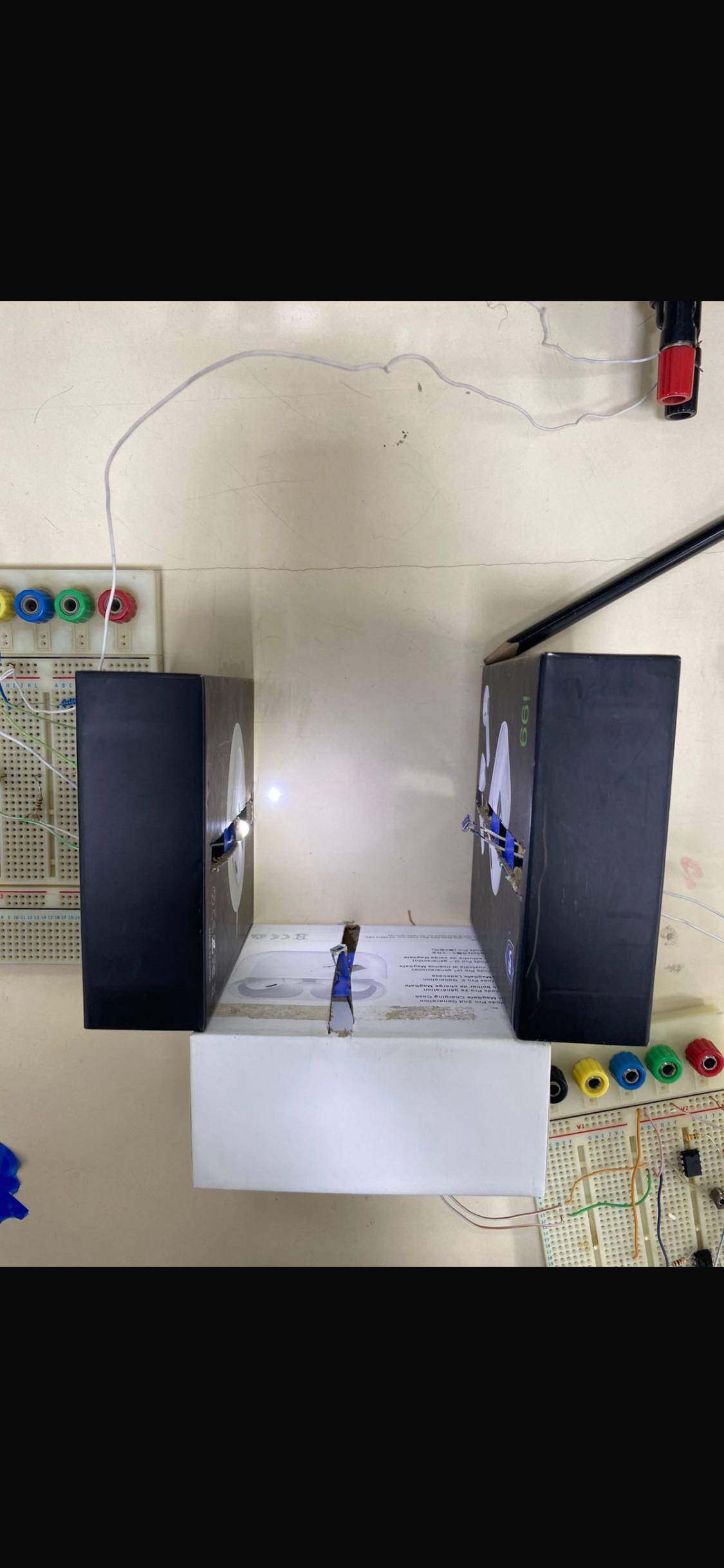
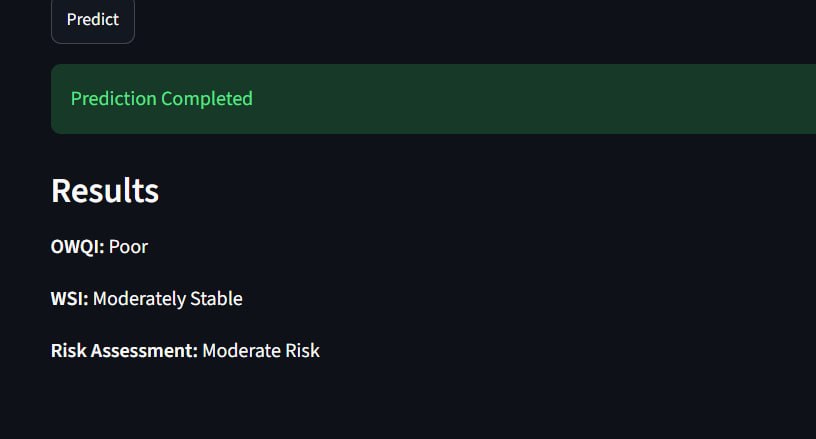
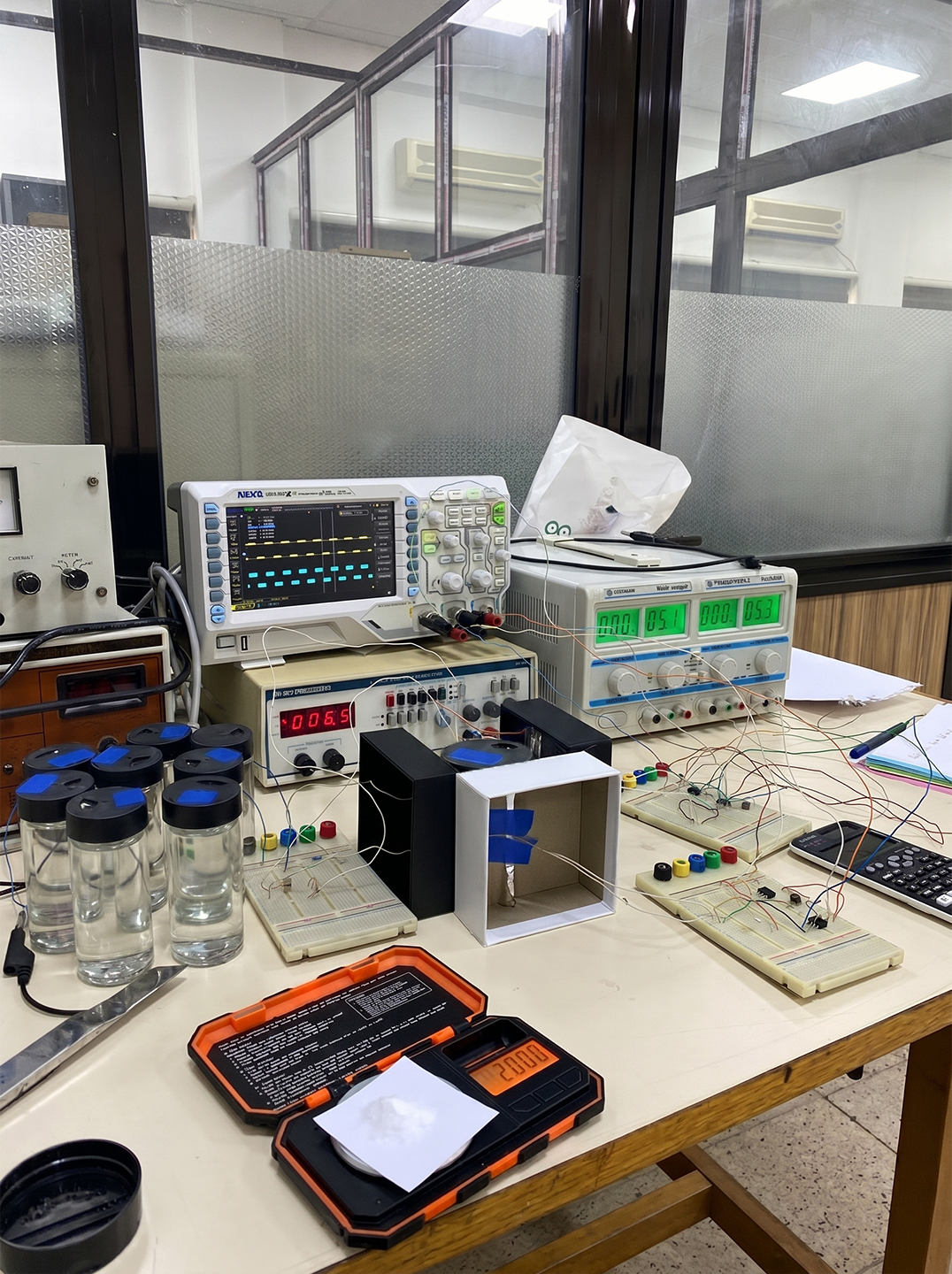
يعرض هذا البحث منصة استشعار بصري افتراضي مدعومة بالذكاء الاصطناعي وإنترنت الأشياء AIoT، مخصصة للتقييم الذكي لجودة المياه والسوائل. يدمج النظام المقترح وحدة استشعار بصري غير تلامسية، واكتساب بيانات باستخدام ESP32، واتصالاً عبر إنترنت الأشياء، وتفسيراً معتمداً على التعلم الآلي ضمن بنية منخفضة الكلفة. يتم قياس الشعاع الضوئي الموجّه باستخدام كاشفين ضوئيين من نوع Photodiode، حيث يوضع الأول عند زاوية 0° لقياس الإرسال المباشر، بينما يوضع الثاني عند زاوية 90° لقياس الضوء المتشتت. وبدلاً من الاعتماد على قراءات الفولتية الخام فقط، يقوم النظام باستخراج ست خصائص بصرية، وهي: الشعاع المباشر، والشعاع المتشتت، والتباين البصري، وعامل التوازن البصري، ومؤشر التشتت، ومؤشر التوهين، وذلك لتكوين بصمة بصرية للسائل المفحوص. تستخدم نماذج Random Forest المنفذة داخل منصة مبنية باستخدام Streamlit للتنبؤ بمؤشر جودة المياه البصري OWQI، ومؤشر استقرار المياه WSI، وتقييم مستوى الخطورة. تم إجراء التحقق التجريبي باستخدام محاليل كلوريد الصوديوم بتركيزات من 0 إلى 7 g من الملح في 150 mL من الماء. انخفضت القناة البصرية المباشرة من حوالي 146 mV إلى 110 mV، بينما انخفضت قناة التشتت من 58 mV إلى 30.6 mV، مما يؤكد وجود استجابة بصرية مرتبطة بتغير التركيز. تجمع المنصة المقترحة بنجاح بين الاستشعار البصري، والذكاء الاصطناعي، وإنترنت الأشياء لتطوير تقييم قابل للتفسير لجودة المياه، كما توفر أساساً قابلاً للتوسع للمراقبة اللحظية المستقبلية للمياه وتطبيقات قياس تراكيز السوائل الأخرى.
المسار الطبي
Brain RT: A Capability-Gated Hybrid Deep-Learning and Classical Pipeline for End-to-End Stereotactic Radiosurgery Planning
تتطلب الجراحة الإشعاعية التجسيمية (SRS) والعلاج الإشعاعي التجسيمي (SRT) دقة هيكلية تصل إلى أقل من ملليمتر، ومع ذلك، لا يزال التخطيط الحسابي الذي يدعمهما محصورًا إلى حد كبير في أنظمة تخطيط علاجية …
الفريق
Brain RT
رمز الفريق
NURAI2026-0295
المشرف
علي حسين علي
قراءة الوصف الكامل للمشروع
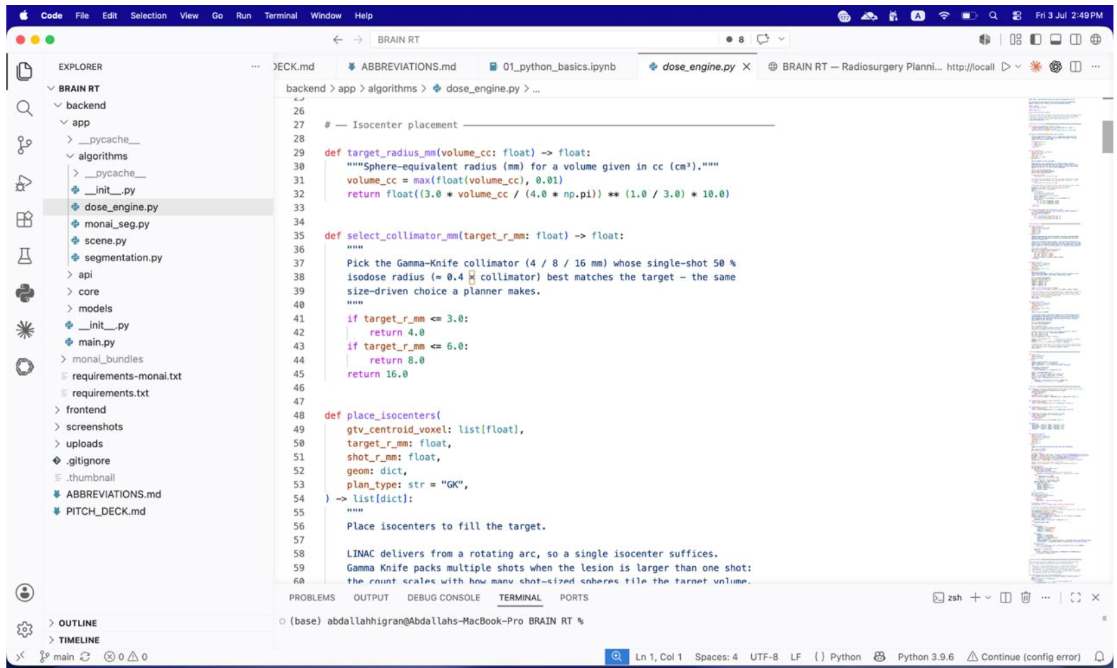
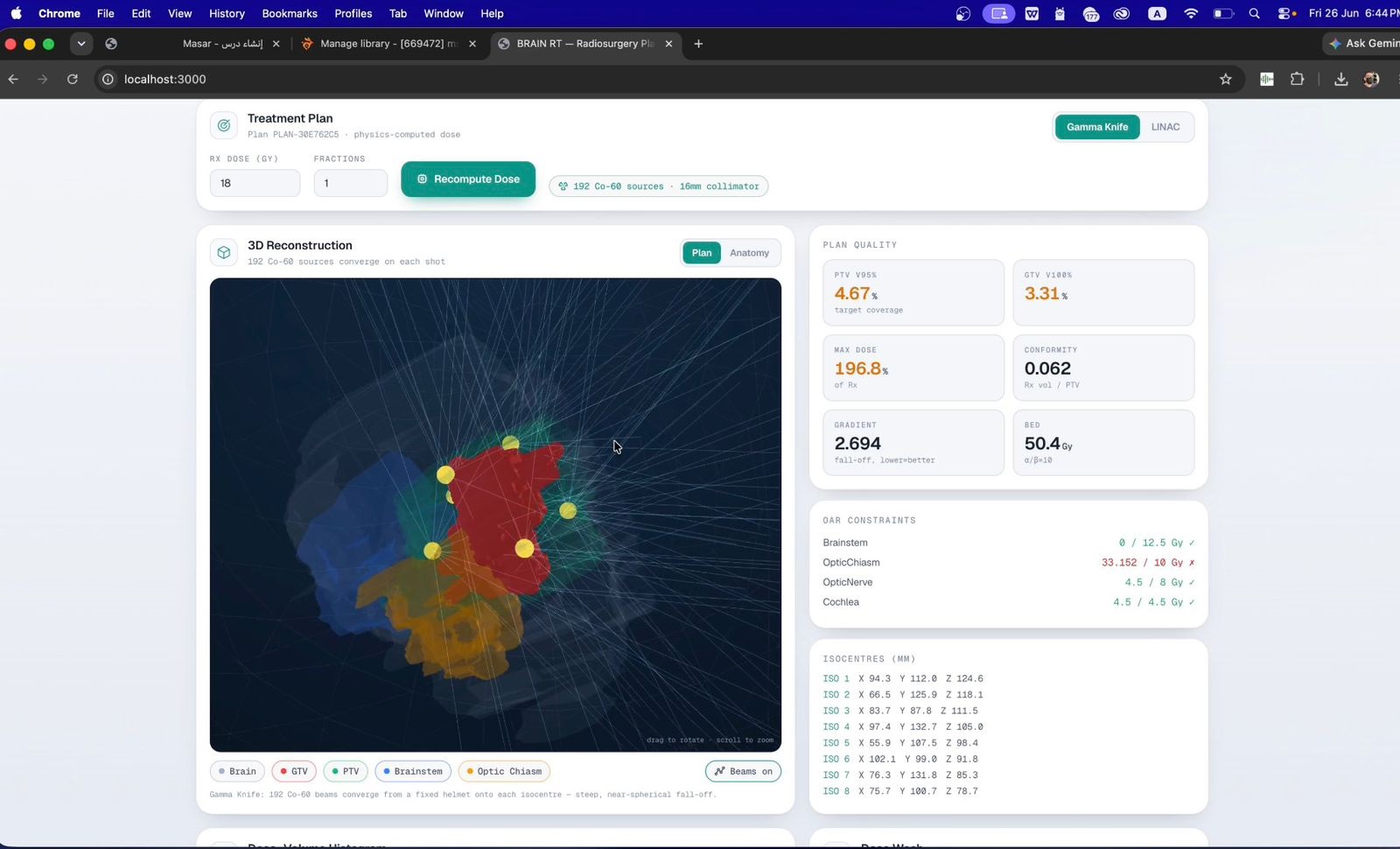
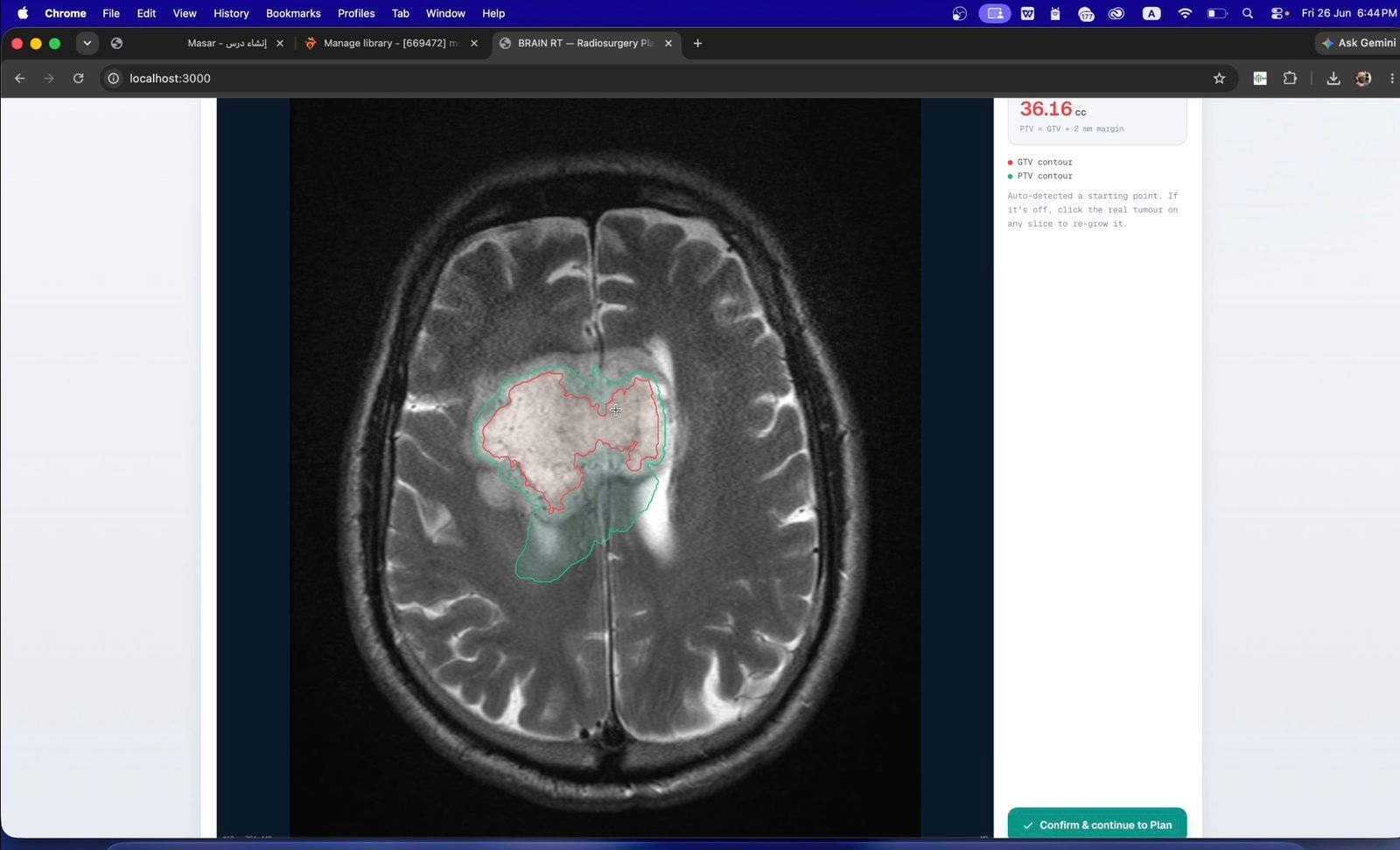
تتطلب الجراحة الإشعاعية التجسيمية (SRS) والعلاج الإشعاعي التجسيمي (SRT) دقة هيكلية تصل إلى أقل من ملليمتر، ومع ذلك، لا يزال التخطيط الحسابي الذي يدعمهما محصورًا إلى حد كبير في أنظمة تخطيط علاجية احتكارية عالية التكلفة، يصعب برمجتها أو دمجها أو استخدامها في البيئات البحثية والتعليمية. تقدم هذه الورقة البحثية Brain RT، وهي بنية خلفية مفتوحة المصدر وسحابية الأصل، تقوم بتحويل دراسة DICOM متعددة الوسائط إلى خطة جراحة إشعاعية قابلة للتنفيذ من خلال مراحل خوارزمية منفصلة. تكمن المساهمة الرئيسية في البنية وليس في شبكة تجزئة جديدة: حيث يقوم موجه هجين ذو بوابات قدرات بتوزيع دراسات الرنين المغناطيسي متعددة المعايير كاملة بأربع قنوات إلى شبكة حجمية مدربة مسبقًا (SegResNet)، بينما يتم توجيه أي مدخلات غير مكتملة أو أحادية السلسلة أو خارج التوزيع بشكل حتمي إلى مسار كلاسيكي قائم على الفيزياء وخالٍ من الأوزان، يعمل على تنمية الورم من بذرة مؤكدة سريريًا. تُوفر سلسلة من عمليات التحقق الذاتي لضمان الجودة تدهورًا تدريجيًا للمخرجات المحافظة والمحدودة فيزيائيًا. يُغذي التجزئة محركًا تحليليًا للجرعة يحسب توزيعات الجرعة ثلاثية الأبعاد، ومخططات الجرعة والحجم (DVH)، والتغطية، ومؤشرات المطابقة والتدرج، وقيود الأعضاء المعرضة للخطر في عملية واحدة، لكل من تقنية جاما نايف (جرعة غاوسية متساوية الخواص) وتقنية المعجل الخطي (قوس ذو هضبة مع شبه ظل). في مسار التعلم العميق، يرث النظام معاملات تشابه دايس للتحقق من الصحة، وهي 0.86 (لب الورم)، و0.90 (الورم بأكمله)، و0.79 (الورم المعزز). تشير النتائج إلى أن التراجع الحتمي متعدد الطبقات والتأكيد البشري في الحلقة، بدلاً من دقة التجزئة وحدها، يوفران طريقًا عمليًا للموثوقية في ظل عدم تجانس المدخلات للبيانات السريرية الحقيقية، وأن الواجهة الخلفية الشفافة وغير المعتمدة على النظام الأساسي يمكنها توليد هندسة وإحصائيات خطة الإنتاج من أجل تصور العميل الخفيف.
المسار الزراعي
CERES:منصة ذكاء اصطناعي لمراقبة ملوحة التربة باستخدام صور الأقمار الصناعية
يُشكل تملح التربة تهديداً خطيراً للأمن الزراعي العالمي، ولا سيما في المناطق القاحلة مثل حوض الرافدين. وتواجه طرق الاستشعار عن بعد التقليدية للكشف عن الملوحة قيوداً بسبب ما يُعرف بـ "فخ الخضار"، و…
الفريق
فريق العراق الأخضر
رمز الفريق
NURAI2026-0335
المشرف
م.م. سلوى عقيل مهدي
قراءة الوصف الكامل للمشروع
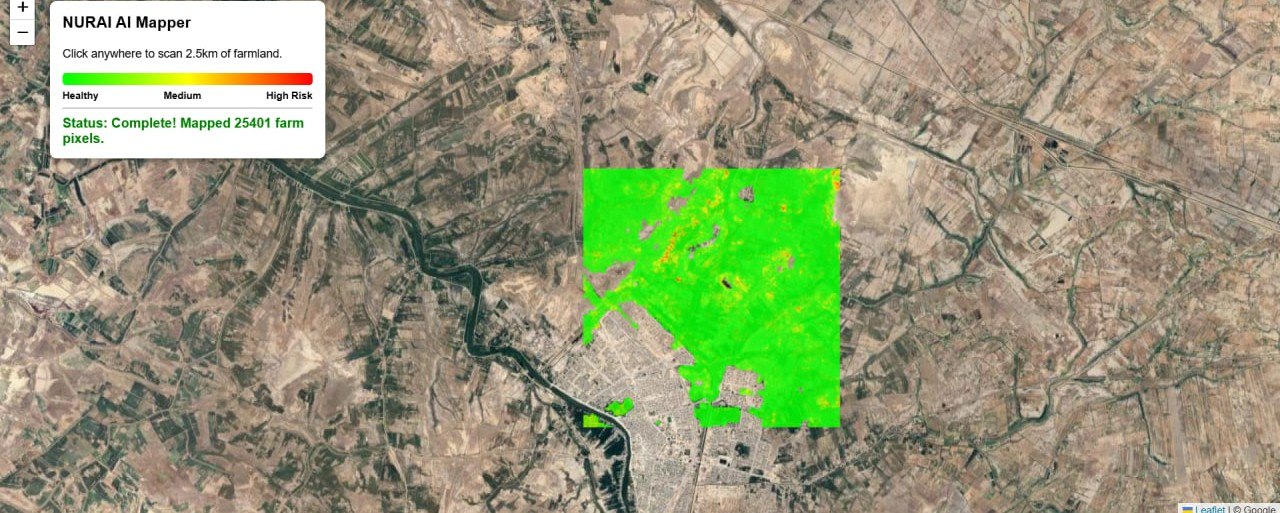
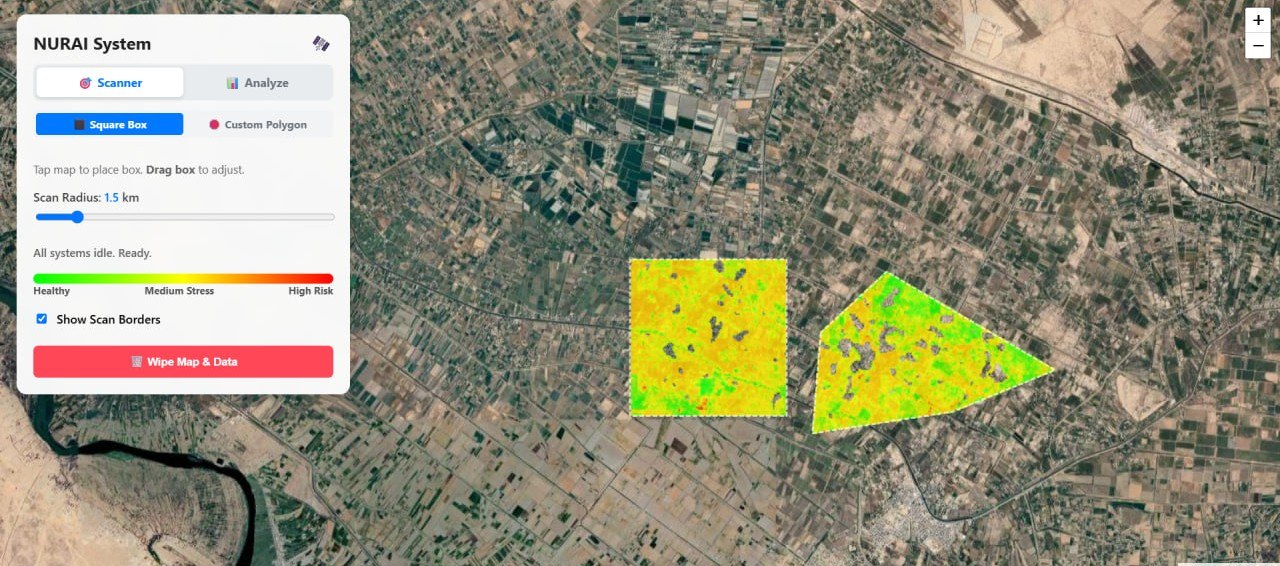
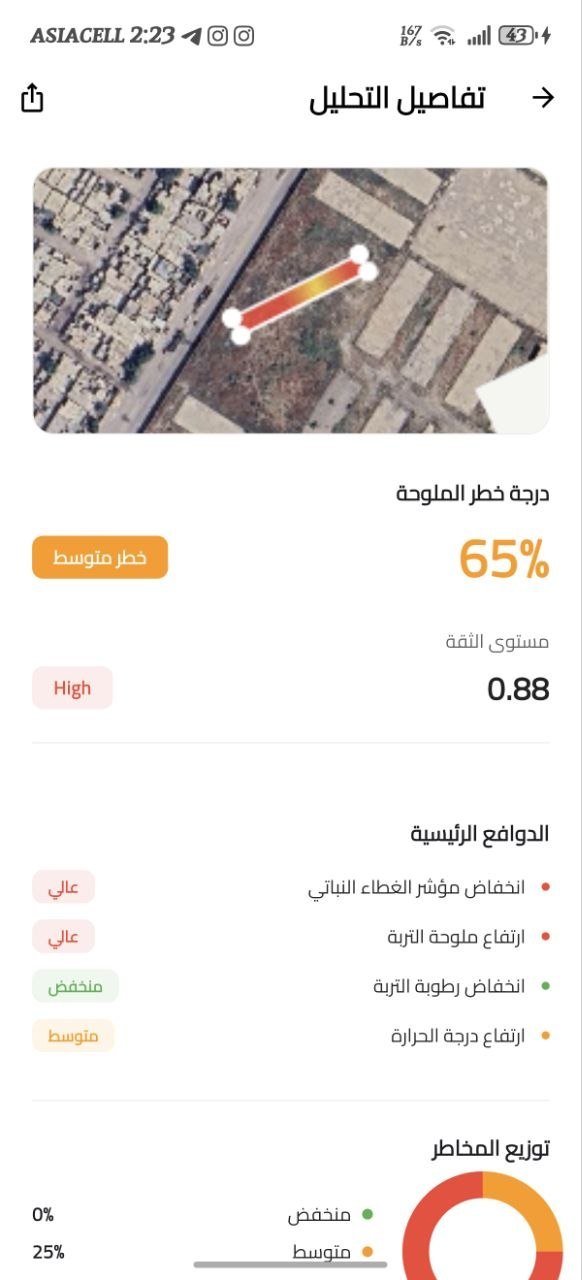
يُشكل تملح التربة تهديداً خطيراً للأمن الزراعي العالمي، ولا سيما في المناطق القاحلة مثل حوض الرافدين. وتواجه طرق الاستشعار عن بعد التقليدية للكشف عن الملوحة قيوداً بسبب ما يُعرف بـ "فخ الخضار"، والذي يؤدي إلى تصنيف خاطئ للمحاصيل عالية الري ولكنها متوسطة الملوحة على أنها محاصيل سليمة، فضلاً عن التأخيرات الآلية التي تعيق رسم الخرائط في الوقت الفعلي وبدقة عالية. تصف هذه الدراسة بنية متكاملة للتعلم الآلي لرسم خرائط ملوحة التربة في جميع أنحاء العراق. يدمج النظام بيانات الأقمار الاصطناعية متعددة المستشعرات (لاندسات 8، وسنتينل-1 سار)، وشبكات التربة تحت السطحية (خريطة الأرض المفتوحة)، والمقاييس المناخية (بوابة منظمة الأغذية والزراعة لإنتاجية المياه) لاستخراج فضاء سمات ذي عشرين بعداً. وتم تحويل البيانات الأرضية الحقيقية المتوافقة مع عتبات الملوحة لمنظمة الأغذية والزراعة إلى نظام مخاطر ثلاثي المستويات. وللحد من الإفراط في التخصيص الجغرافي، تم استخدام تنظيم الفضاء الجزئي والمؤشرات الديناميكية الحرارية الهندسية، مثل الإجهاد الرطوبي الحراري، لعزل الضغط الأسموزي. يعتمد محرك التنبؤ على نموذج تجميعي مكدس يضم خوارزميات أشجار الإكسترا، وتعزيز التدرج المتطرف، وآلة تعزيز التدرج الخفيف، مع متعلم مِعياري من نوع كات-بوست الواعي بالسياق. وحقق النموذج دقة تحقق بلغت ستة وثمانين فاصلة أربعة وسبعين بالمئة. ولغرض النشر والتشغيل، تم تطوير واجهة خلفية باستخدام برمجة واجهة التطبيقات السريعة لتفادي اختناقات الاستخراج المكاني التقليدية عن طريق تدفق مصفوفات نمباي الثنائية، مما يسمح بتقديم خرائط حرارية محلية ومباشرة للملوحة والتحليلات الزراعية في أقل من ثلاث ثوانٍ.
NURAI · 2026
مسار خدمة المجتمع
Cooling Vest
This project addresses the critical challenge of occupational heat stress in extreme thermal environments, specifically targeting industrial workers in Iraq where ambient temperatures routinely e…
الفريق
Cooling Vest
رمز الفريق
NURAI2026-0316
المشرف
أ.م.د هشام حسن جاسم
قراءة الوصف الكامل للمشروع
This project addresses the critical challenge of occupational heat stress in extreme thermal environments, specifically targeting industrial workers in Iraq where ambient temperatures routinely exceed 50°C during peak summer months and a structural national power deficit of over 10,000 MW renders conventional air conditioning infrastructure unreliable and economically unsustainable. The proposed solution is a TEC1-12710-based wearable personal cooling vest that integrates a three-module thermoelectric (Peltier) cooling assembly with a closed-loop water circulation network, an Arduino Nano embedded control system employing MOSFET-driven PWM regulation, and a dual-layer smart textile architecture combining a waterproof outer shell with a Delta Fabric inner lining for optimized body-surface heat transfer and moisture management. DS18B20 digital and NTC thermistor sensors provide continuous thermal monitoring of the water reservoir and circulation loop, enabling real-time adaptive control of the cooling cycle. A high-efficiency finned heat sink paired with a brushless DC exhaust fan ensures effective hot-side heat rejection under extreme ambient conditions. All system components were sourced exclusively from locally available Iraqi markets to ensure economic viability and scalable industrial deployment. Experimental evaluation confirmed the system’s ability to maintain a measurable cold-side temperature differential under simulated high-ambient conditions, validating the feasibility of sustained thermoelectric personal cooling. The proposed vest constitutes an energy-efficient, battery-compatible, field-deployable thermal protection platform with direct applications in industrial, healthcare, and military environments where centralised cooling infrastructure is inaccessible.
المسار الصناعي
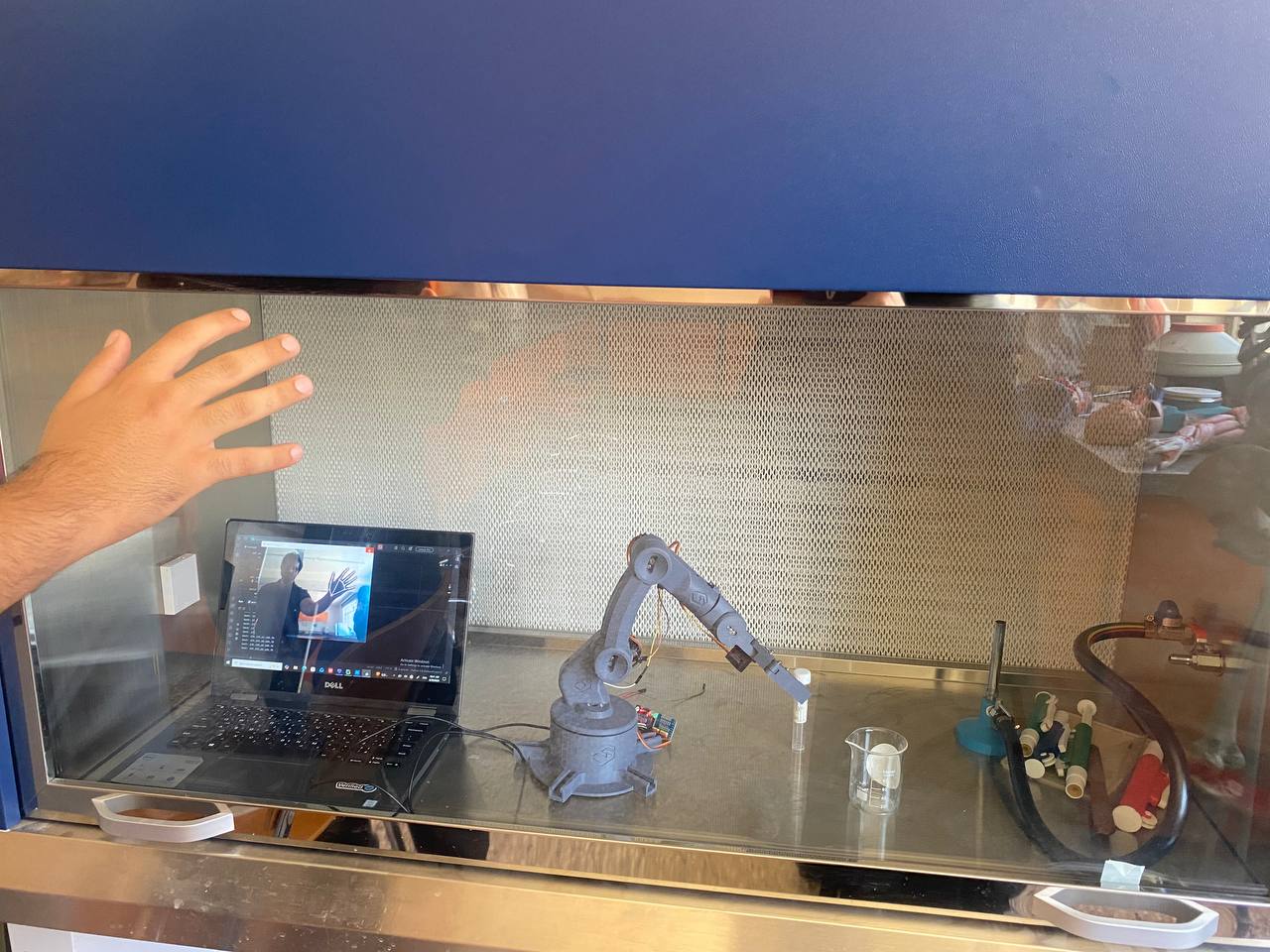
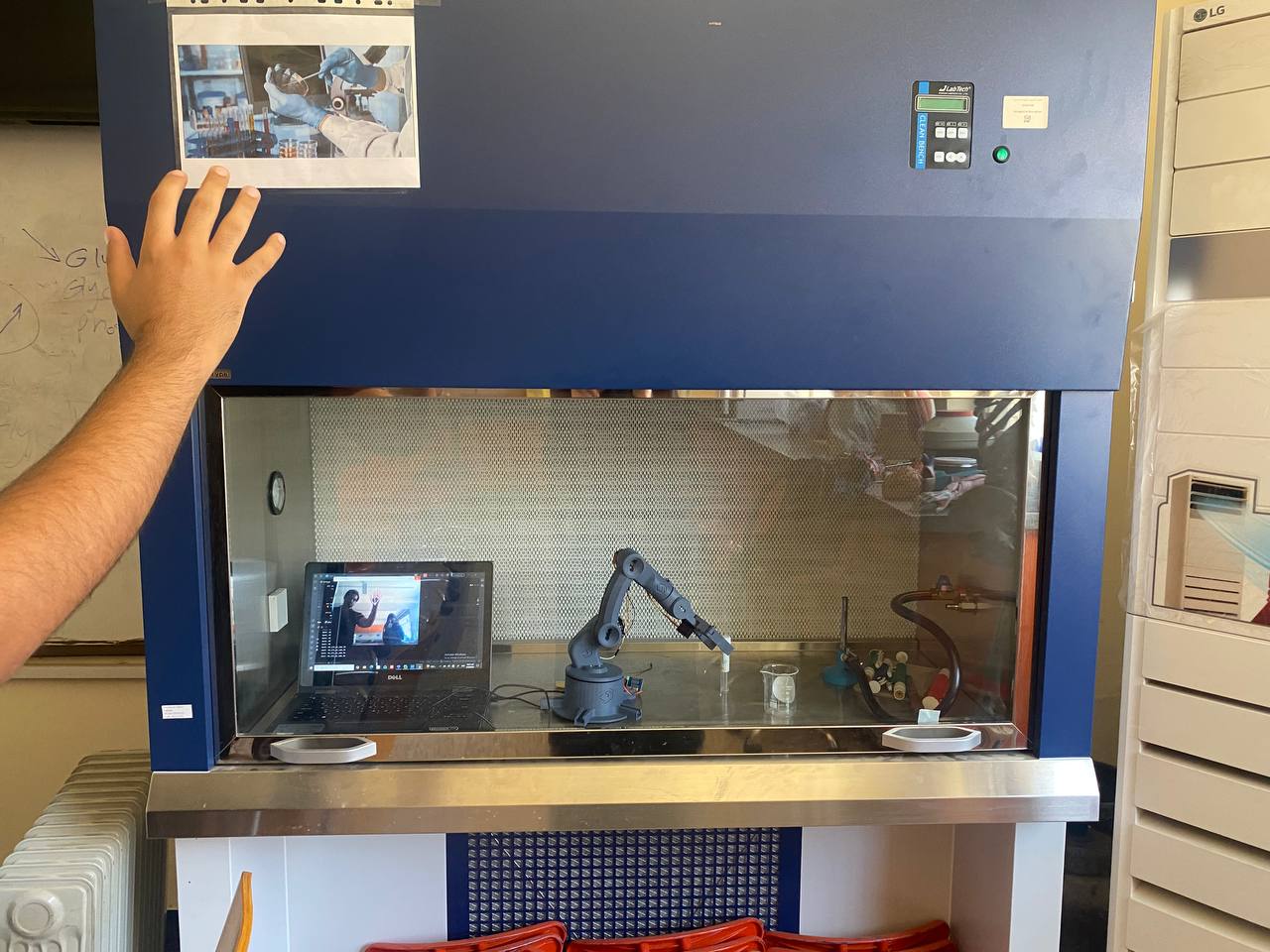
Design and Development of a Smart Robotic Arm for Safe Handling of Hazardous Materials in Chemical Laboratories and Industrial Environments
Hazardous material is utilized more frequently within educational institutions for science and manufacturing places today. Hazardous material creates many problems for laboring individuals becaus…
الفريق
Chemo AFDAQ
رمز الفريق
NURAI2026-0308
المشرف
أ.د. وليد خالد خيري
قراءة الوصف الكامل للمشروع
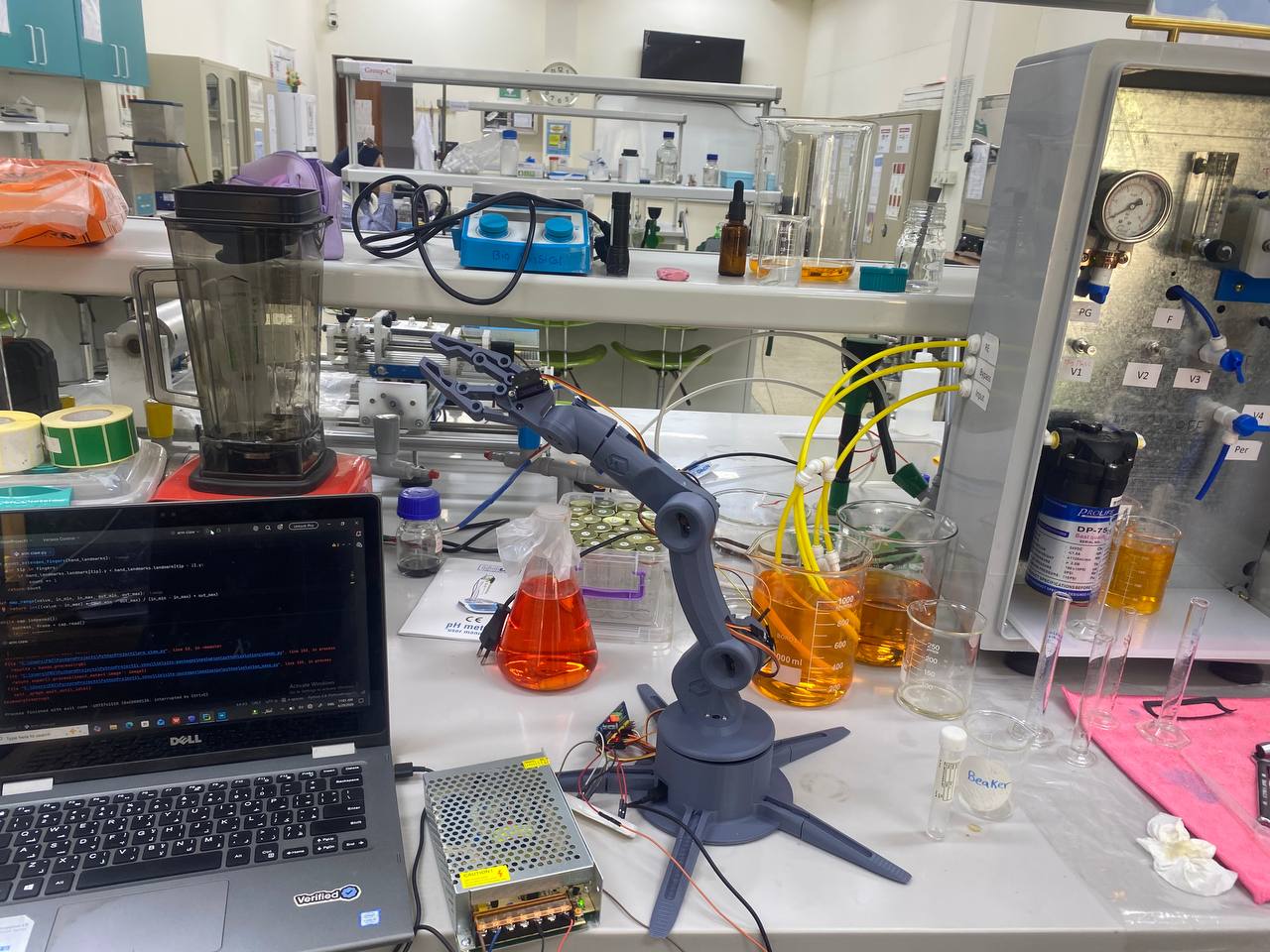
Hazardous material is utilized more frequently within educational institutions for science and manufacturing places today. Hazardous material creates many problems for laboring individuals because the chemicals cause skin damage, body poison, breathing troubles, and sickness that lasts for a long time. It has been observed that chemical accidents happen when laboring individuals are close to these items. This investigation shows how a smart robotic arm was built and planned so that laboring individuals do not have to touch hazardous material directly. The smart robotic arm protects individuals from coming near hazardous material. A machine structure is created with four-degree-of-freedom (4-DOF) parts and a hand tool with two claws. This hand tool is used to move laboratory equipment and chemical containers safely. Because the smart robotic arm has these 4-DOF parts, the smart robotic arm moves like a human limb. The command system for the smart robotic arm is made using Arduino-based servo control and visual hand-tracking methods. These methods use OpenCV and MediaPipe libraries to understand how a person moves their hands from a distance. Many experts claim that hand gestures are a natural way to give commands to a smart robotic arm. Materials for the smart robotic arm were created using 3D-printed PETG components. These 3D-printed PETG components are chosen because the price is low and the 3D-printed PETG components are easy for people to find. The initial model was built to make working places safer for everyone. This initial model reduces the chance of getting hurt while working because the smart robotic arm handles hazardous material instead of a person. A cheap way for managing hazardous material in chemical laboratories and industrial applications is provided by this technology.
NURAI · 2026
مسار خدمة المجتمع
EmoBridge: A Real-Time Edge-Computing System for Children's Emotion Recognition and Engagement Tracking Using Embedded Al
This research presents an integrated engineering and sensory framework to mitigate communication barriers for children with Autism Spectrum Disorder (ASD) using the "EmoBridge" robotic system. Th…
الفريق
Agent X Robotics
رمز الفريق
NURAI2026-0329
المشرف
د.نور رضا عبد الرزاق القزاز
قراءة الوصف الكامل للمشروع
This research presents an integrated engineering and sensory framework to mitigate communication barriers for children with Autism Spectrum Disorder (ASD) using the "EmoBridge" robotic system. The work develops a customized Graphical User Interface (GUI) tailored for a hardware-constrained environment featuring a 3.5-inch embedded display with a fixed 320 x 480 resolution using the PyQt5 framework. The design delivers a User Experience (UX) that prioritizes sensory security and limits overstimulation by enabling adaptive personalization via cognitive avatars and dynamic, soothing color themes. Concurrently, the system implements a lightweight backend architecture utilizing SQLite 3 to manage profiles and securely record session metrics. The proposed architecture optimizes asset management and minimizes RAM utilization on the Raspberry Pi, significantly expanding the child's engagement rate and acceleratıng emotional responsiveness within a secure interactive medıum
المسار الصناعي
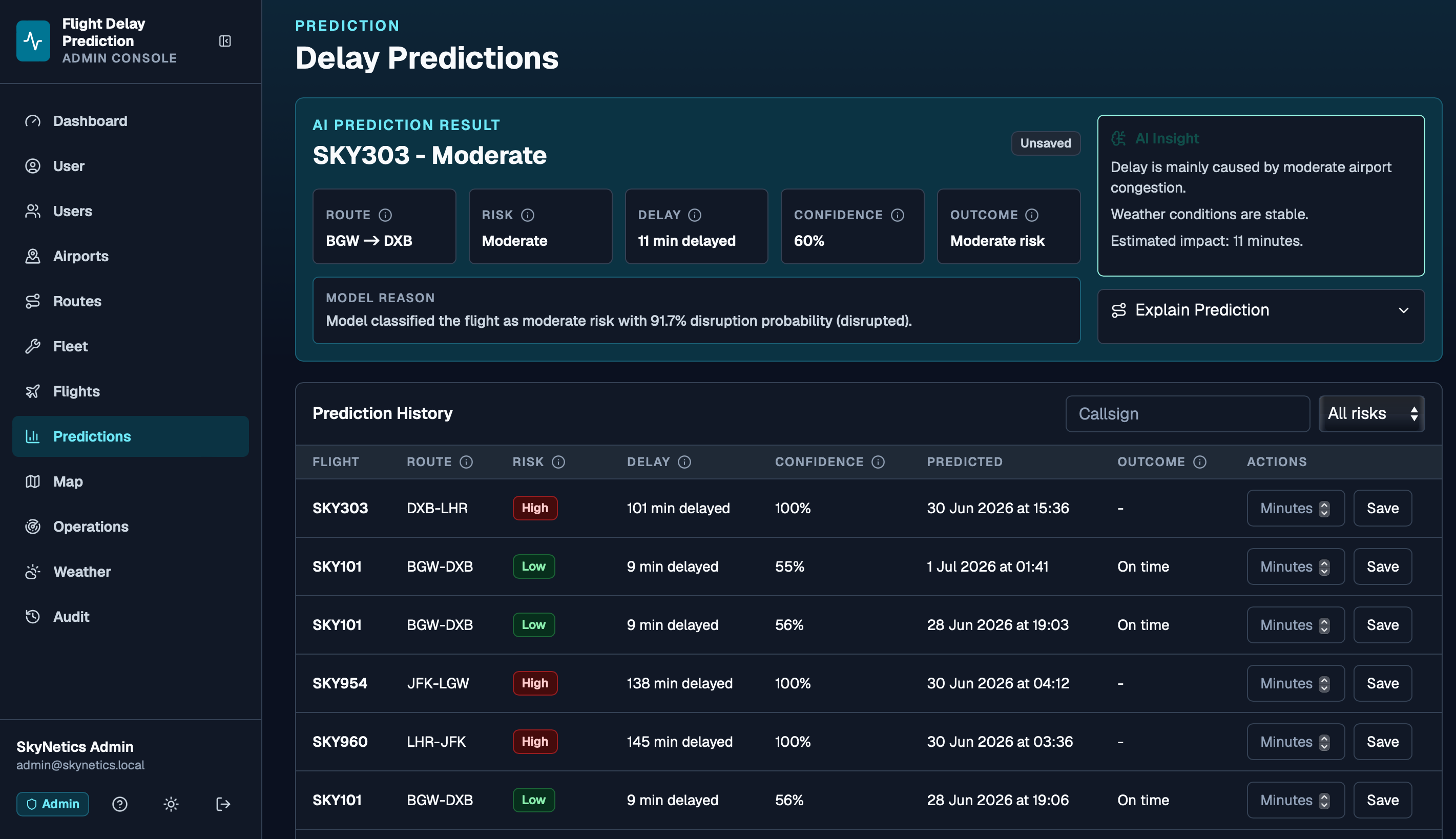
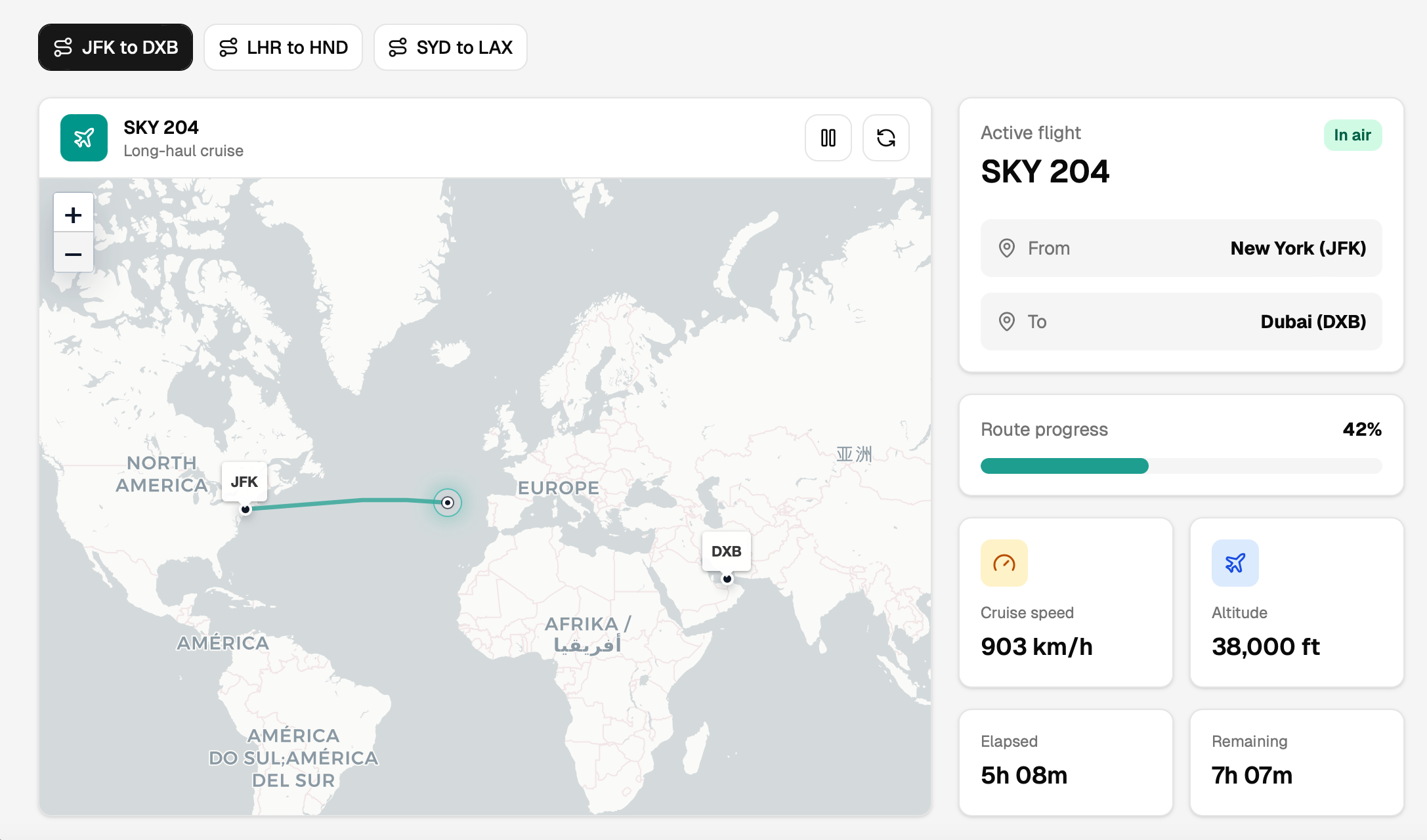
Flight Delay Prediction System: An Industrial AI Platform for Flight Delay Prediction and Aviation Operations Support
Flight Delay Prediction System is an AI project for the flight operations. It presents a real problem in the flight delay systems that are available and provide a real solution by combining a sof…
الفريق
SkyNetics
رمز الفريق
NURAI2026-0326
المشرف
استاذ مساعد دكتور عمار عادل حسن
قراءة الوصف الكامل للمشروع
Flight Delay Prediction System is an AI project for the flight operations. It presents a real problem in the flight delay systems that are available and provide a real solution by combining a software platform with fully trained Machine learning models. The project identifies the beneficiaries, and uses an open source dataset, fetches flight and weather data, and applies a three-stage of AI operations, and combines the prediction result with the backend, database, and dashboard. The achieved results, for instance, 7.35minutes MAE for delay regression and 93.79% accuracy for the final delay classification, show that the system is operating correctly , The strongest point in the project is that it turns AI output into a decision-support workflow for airlines, airports, and operation teams.
المسار الزراعي
Green Shepherd Application
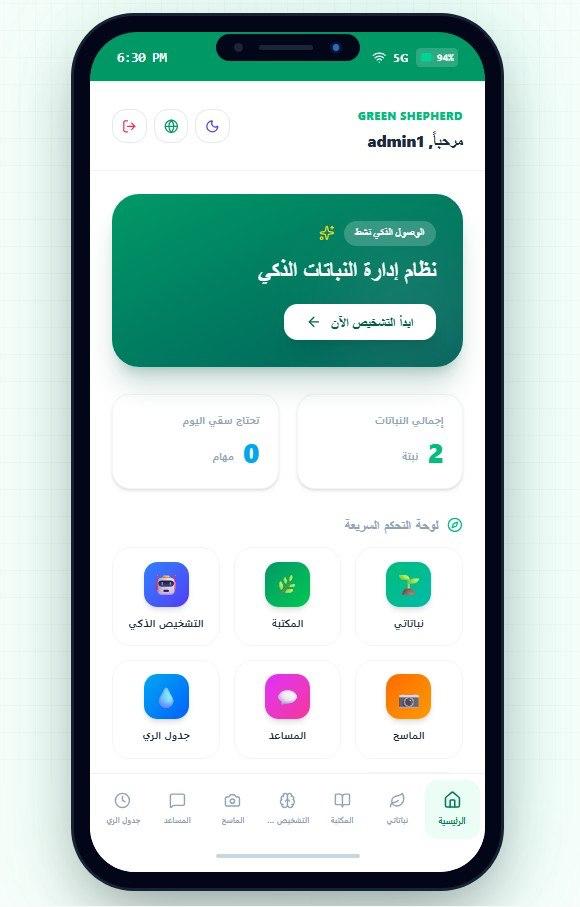
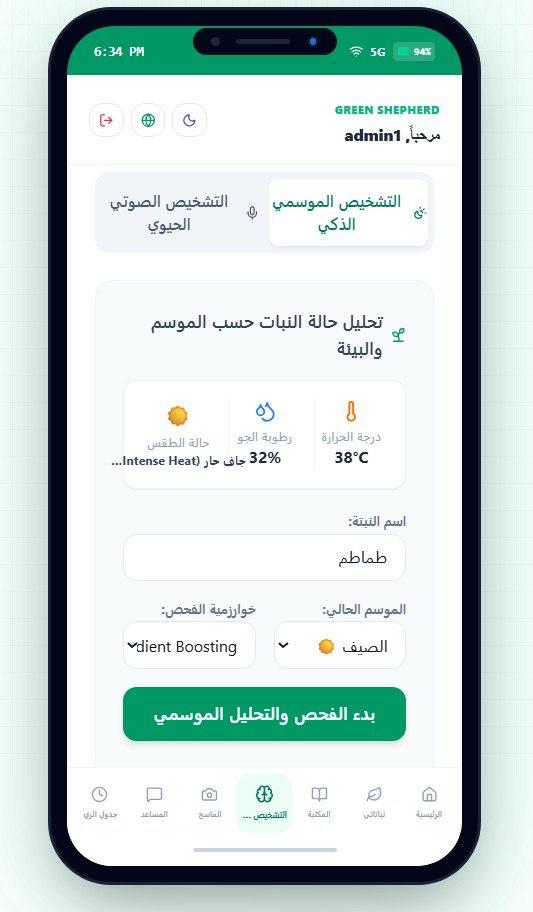
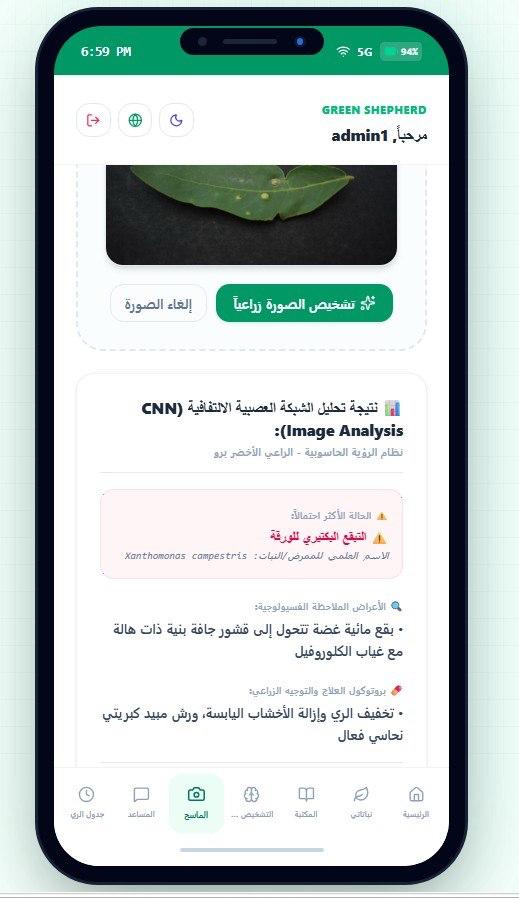
نقدم في هذا المشروع تطبيق "الراعي الأخضر" (Green Shepherd)، وهو تطبيق هاتف شامل مدعوم بالذكاء الاصطناعي، يدمج رؤية الحاسوب، والتحليل الصوتي الحيوي، والتقييم البيئي، ودعم اتخاذ القرارات الذكية في …
الفريق
Green Team
رمز الفريق
NURAI2026-0334
المشرف
م.د. صفا سامي عبد الجبار
قراءة الوصف الكامل للمشروع
نقدم في هذا المشروع تطبيق "الراعي الأخضر" (Green Shepherd)، وهو تطبيق هاتف شامل مدعوم بالذكاء الاصطناعي، يدمج رؤية الحاسوب، والتحليل الصوتي الحيوي، والتقييم البيئي، ودعم اتخاذ القرارات الذكية في منصة موحدة للعناية بالنباتات. يستخدم النظام المقترح شبكة عصبية التفافية (CNN) لتشخيص الأمراض بناءً على الصور، ونماذج تعلم آلي لتقديم توصيات تراعي المواسم والظروف الجوية، وتحليل الإشارات الصوتية الحيوية للتقييم المبكر لصحة النبات. بالإضافة إلى ذلك، يوفر مساعد ذكاء اصطناعي وصيدلية نباتية آلية علاجات مخصصة، وإرشادات للري، وتوصيات طارئة، وتقديرات لتكاليف العلاج. يُمكّن التطبيق المُطور من التشخيص السريع للنباتات، ويُحسّن عملية اتخاذ القرارات، ويُقلل من جهد الصيانة، ويدعم الإدارة المستدامة للنباتات لأصحاب الحدائق المنزلية والمزارعين على نطاق صغير. من خلال الجمع بين تقنيات الذكاء الاصطناعي المتعددة ضمن منصة جوال مجانية وسهلة الاستخدام، يُقدم "الراعي الأخضر" حلاً فعالاً ومتاحاً للعناية الذكية بالنباتات.
المسار الزراعي
GreenIQ: An Intelligent Web-Based Platform to Encourage Afforestation and Mitigate Desertification
This project addresses a significant problem in Agricultural Field. The proposed solution is based on development of an intelligent web platform promotes tree planting while utilizing modern tech…
الفريق
Innovators Team
رمز الفريق
NURAI2026-0305
المشرف
د. ضحى عبد الهادي عبد الجبار
قراءة الوصف الكامل للمشروع
This project addresses a significant problem in Agricultural Field. The proposed solution is based on development of an intelligent web platform promotes tree planting while utilizing modern technology such as Artificial Intelligence and GIS with the aim of Encourage tree planting and reduce desertification. The expected outcomes include increased tree planting, improved environmental awareness.
مسار خدمة المجتمع
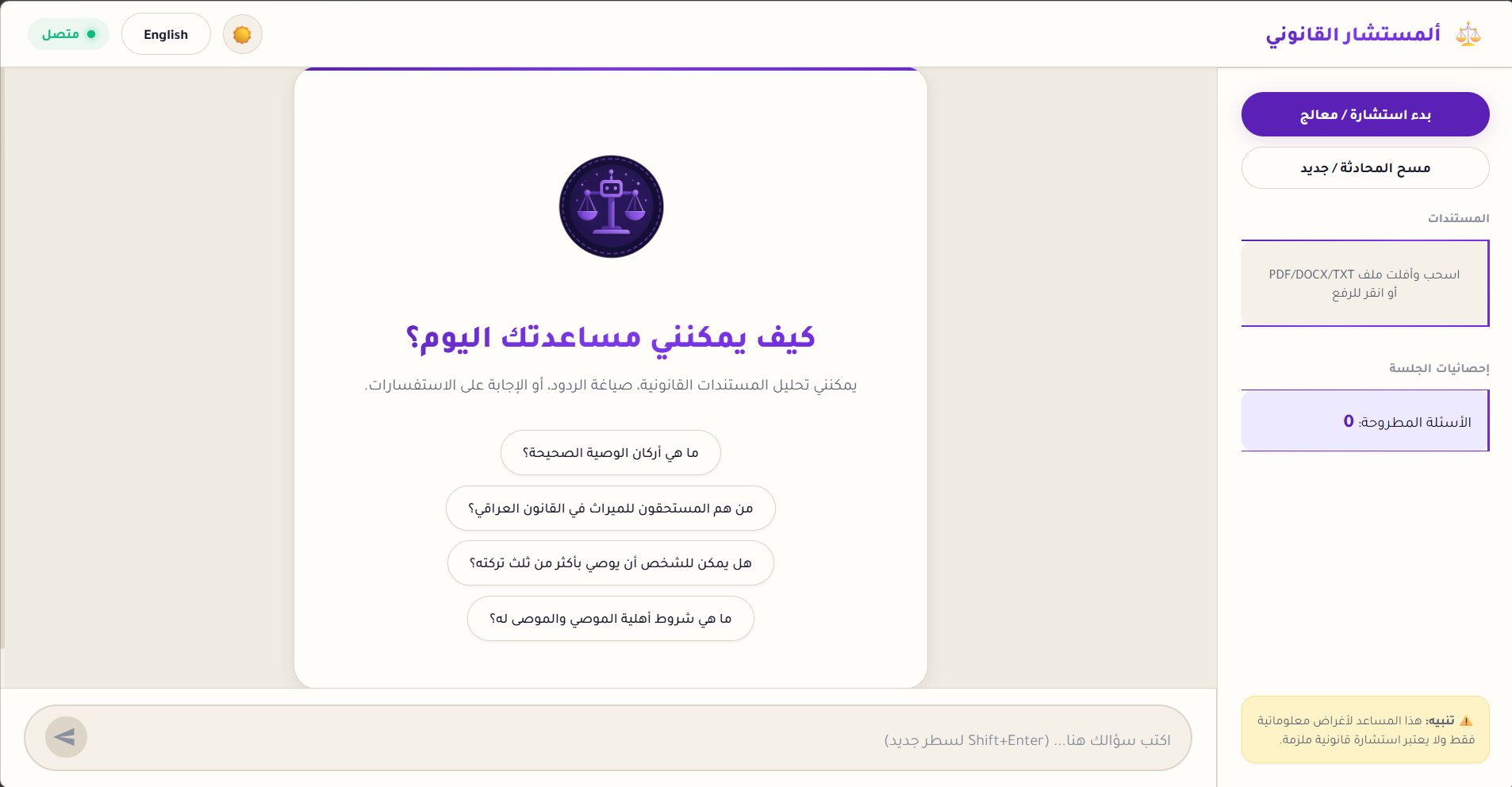
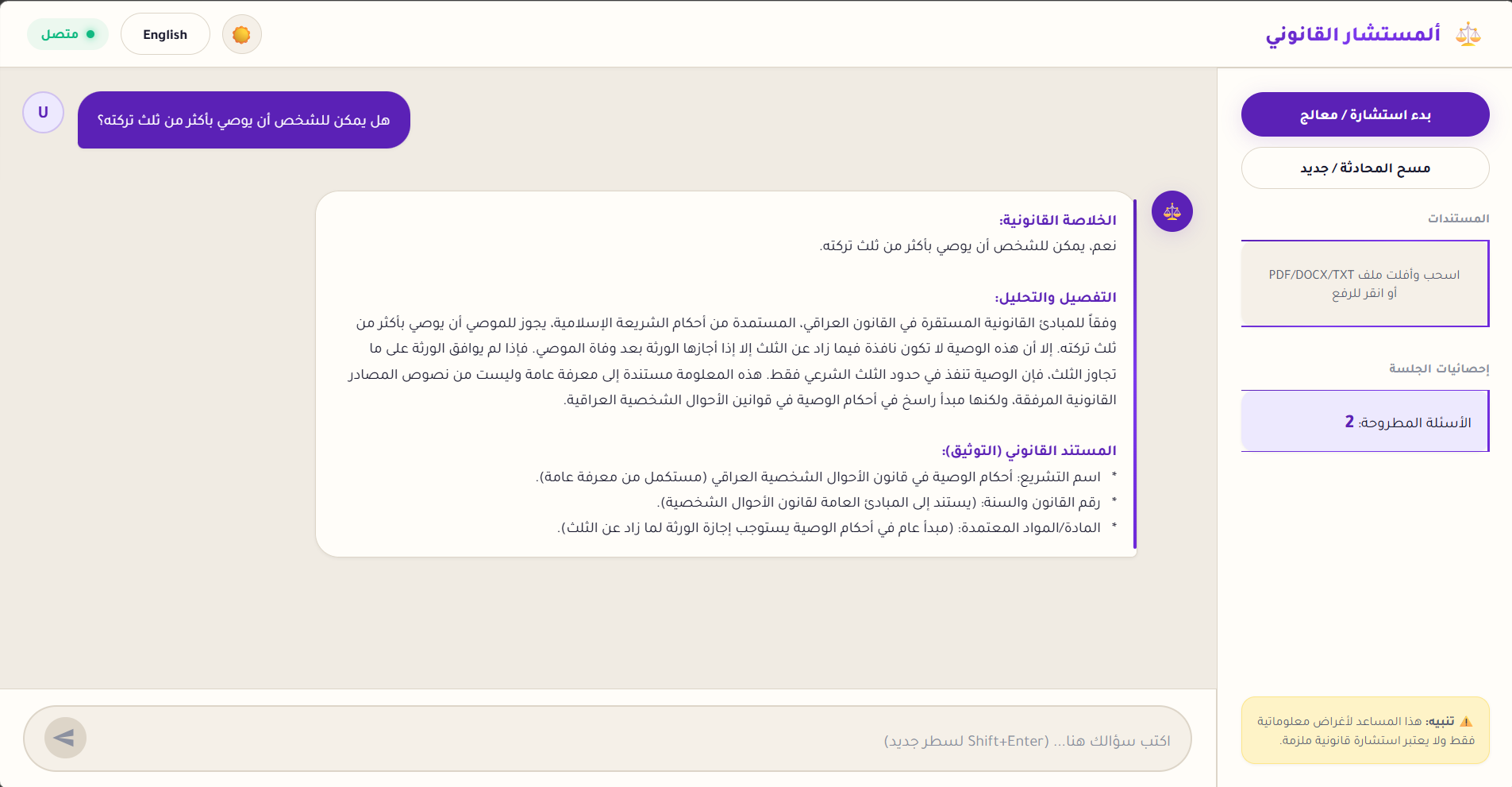
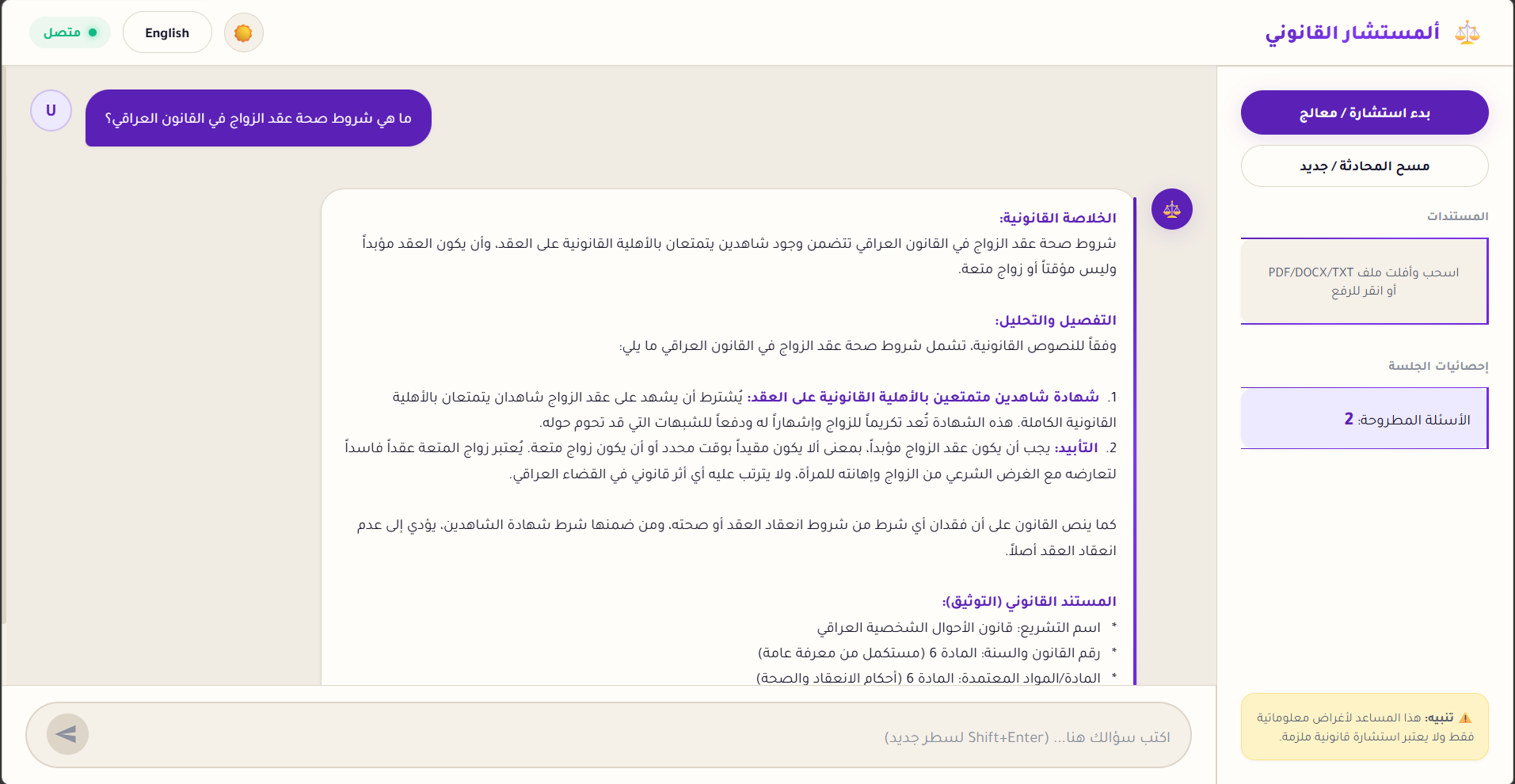
Legal Consultant: An AI-Powered Legal Guidance Platform Fed with Iraqi Legal Sources
يُعد مشروع Legal Consultant منصة˝ ذكية تهدف إلى تسهيل وصول المواطنين إلى المعلومات القانونية الموثوقة وتقديم إرشاد قانوني أولي بلغة واضحة وبسيطة، بالاعتماد على تقنيات الذكاء الاصطناعي والمصادر ال…
الفريق
Team Aether
رمز الفريق
NURAI2026-0286
المشرف
د عامر جعفر صادق
قراءة الوصف الكامل للمشروع
يُعد مشروع Legal Consultant منصة˝ ذكية تهدف إلى تسهيل وصول المواطنين إلى المعلومات القانونية الموثوقة وتقديم إرشاد قانوني أولي بلغة واضحة وبسيطة، بالاعتماد على تقنيات الذكاء الاصطناعي والمصادر القانونية العراقية الرسمية. وقد استند المشروع إلى معمارية الاسترجاع المعزَّز بالتوليد (RAG)، التي تتيح استرجاع المعلومات من قاعدة معرفية قانونية قبل توليد الإجابة، مما يسهم في تحسين دقة المخرجات وتقليل احتمالية تقديم معلومات غير دقيقة. لا يهدف النظام إلى استبدال القاضي أو المحامي، وإنما إلى مساعدة المستخدم على فهم القوانين والإجراءات القانونية واتخاذ قرارات أكثر وعي˝ا قبل اللجوء إلى الجهات المختصة. ويعكس المشروع إمكانية توظيف الذكاء الاصطناعي بصورة مسؤولة في المجال القانوني من خلال الاعتماد على مصادر موثوقة، والالتزام بالضوابط الأخلاقية، وتقديم إجابات مدعومة بالمراجع القانونية. وفي المستقبل، يمكن توسيع قاعدة المعرفة القانونية، وتحسين أداء النظام، وإضافة ميزات جديدة مثل التفاعل الصوتي وتطبيق للهواتف الذكية، بما يعزز سهولة الوصول إلى الخدمات القانونية الرقمية.