A Hybrid System Combining Computer Vision (YOLOv11) and Autonomous Robotics (RoboDK) for Safe Path Planning and Brain Tumor Ablation
This project addresses a significant problem in the field of automated robotic neurosurgery and computer-aided tumor resection, where manual trajectory alignment presents a critical risk of cogni…
الفريق
فريق روبوت الشفاء
رمز الفريق
NURAI2026-0093
المشرف
م.م محمد فتحي عباد علي
قراءة الوصف الكامل للمشروع
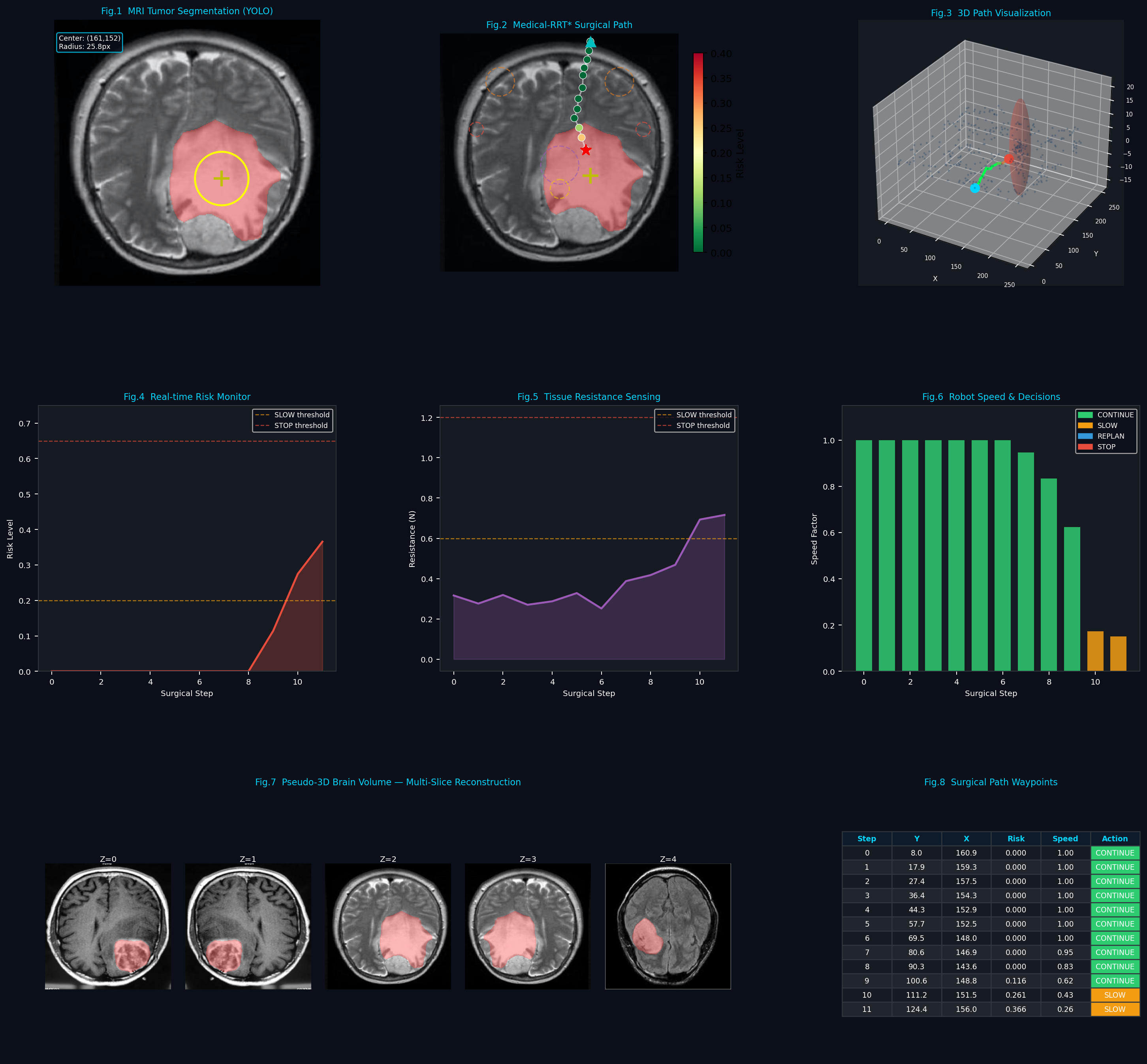
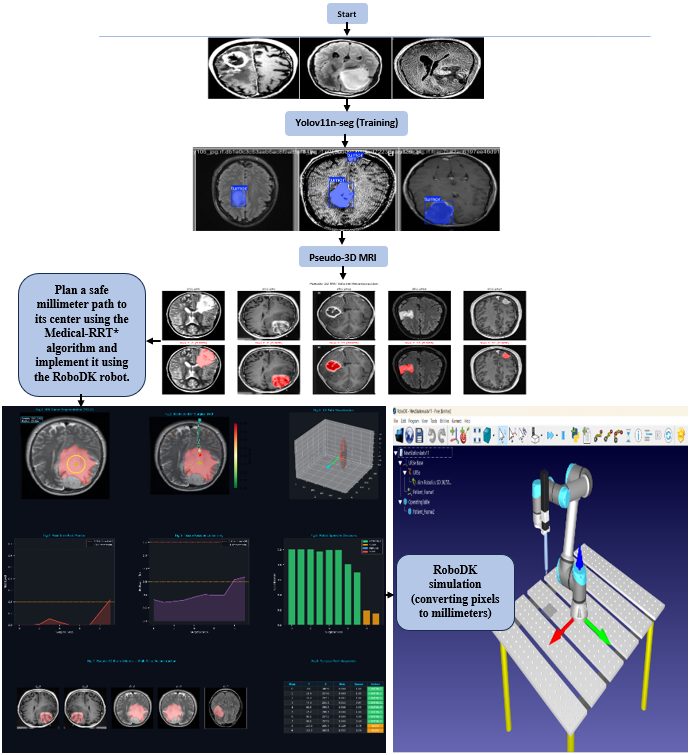
This project addresses a significant problem in the field of automated robotic neurosurgery and computer-aided tumor resection, where manual trajectory alignment presents a critical risk of cognitive fatigue and human error. The proposed solution is based on an integrated hybrid framework combining advanced deep learning computer vision via the YOLOv11 architecture with autonomous robotic execution within the RoboDK environment. A custom-developed Medical-RRT* path planning algorithm is implemented to operate dynamically on a 3D virtual brain phantom constructed layer-by-layer from sequential 2D multi-slice MRI scans.
With the aim of establishing a sub-millimeter accurate, collision-free toolpath that guarantees absolute evasion of delicate brain vascular networks and critical functional areas, the system continuously adjusts physical execution constraints. A closed-loop control model regulates feed rates and robot velocities adaptively (from 5.0 mm/s down to 3.0 mm/s) based on real-time localized risk indices, securely logging all intraoperative parameters.
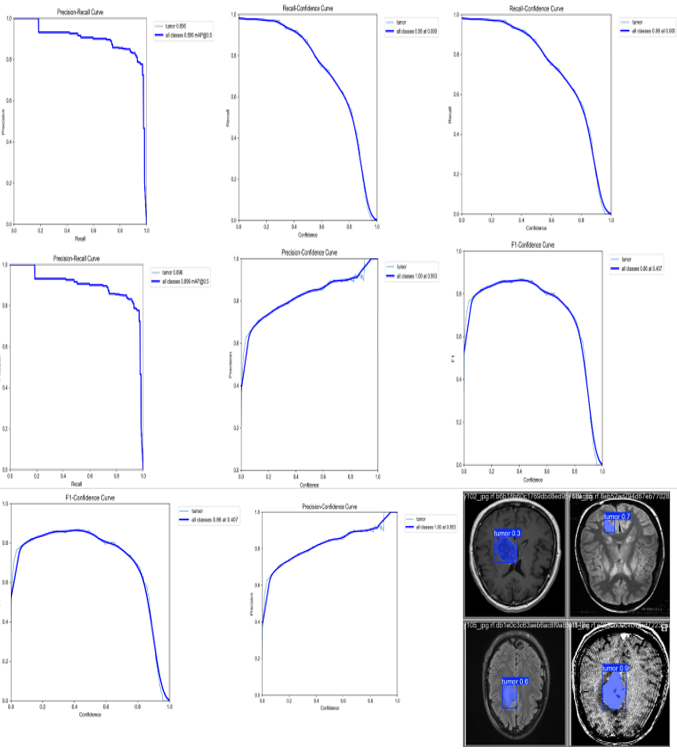
The empirical outcomes demonstrate exceptional boundary box localization precision (93.0% mAP50) and high-fidelity target segmentation masks (92.7% mAP50). Integrated hardware-in-the-loop simulation via a 6-DOF Universal Robots UR5e manipulator verified successful execution of a 32.0 mm multi-layer spiral ablation path across 13 optimized waypoints, providing an autonomous, robust, and safe robotic pipeline capable of completely eliminating tool-to-vessel collisions during continuous brain tumor ablation.
المسار الطبي
Design and Implementation of a Low-Cost Vision-Controlled Smart Prosthetic Hand Using Real-Time Hand-Gesture Recognition
This paper presents the design, implementation, and evaluation of a low-cost smart prosthetic hand controlled in real time through hand gestures and computer vision. The work addresses the limite…
الفريق
فريق المعارف الاجهزة الطبية
رمز الفريق
NURAI2026-0057
المشرف
د. علاء حامد محمد
قراءة الوصف الكامل للمشروع
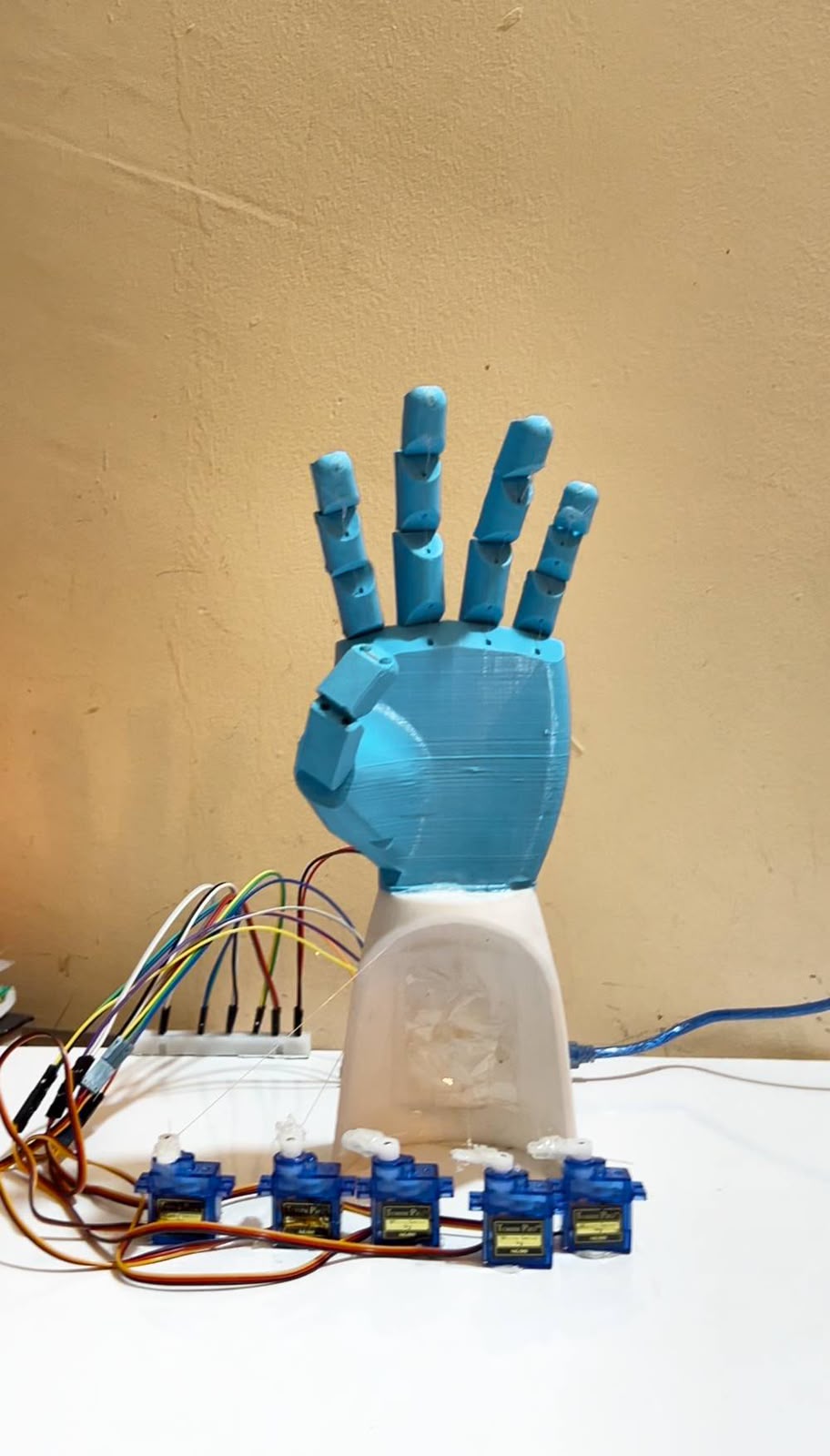
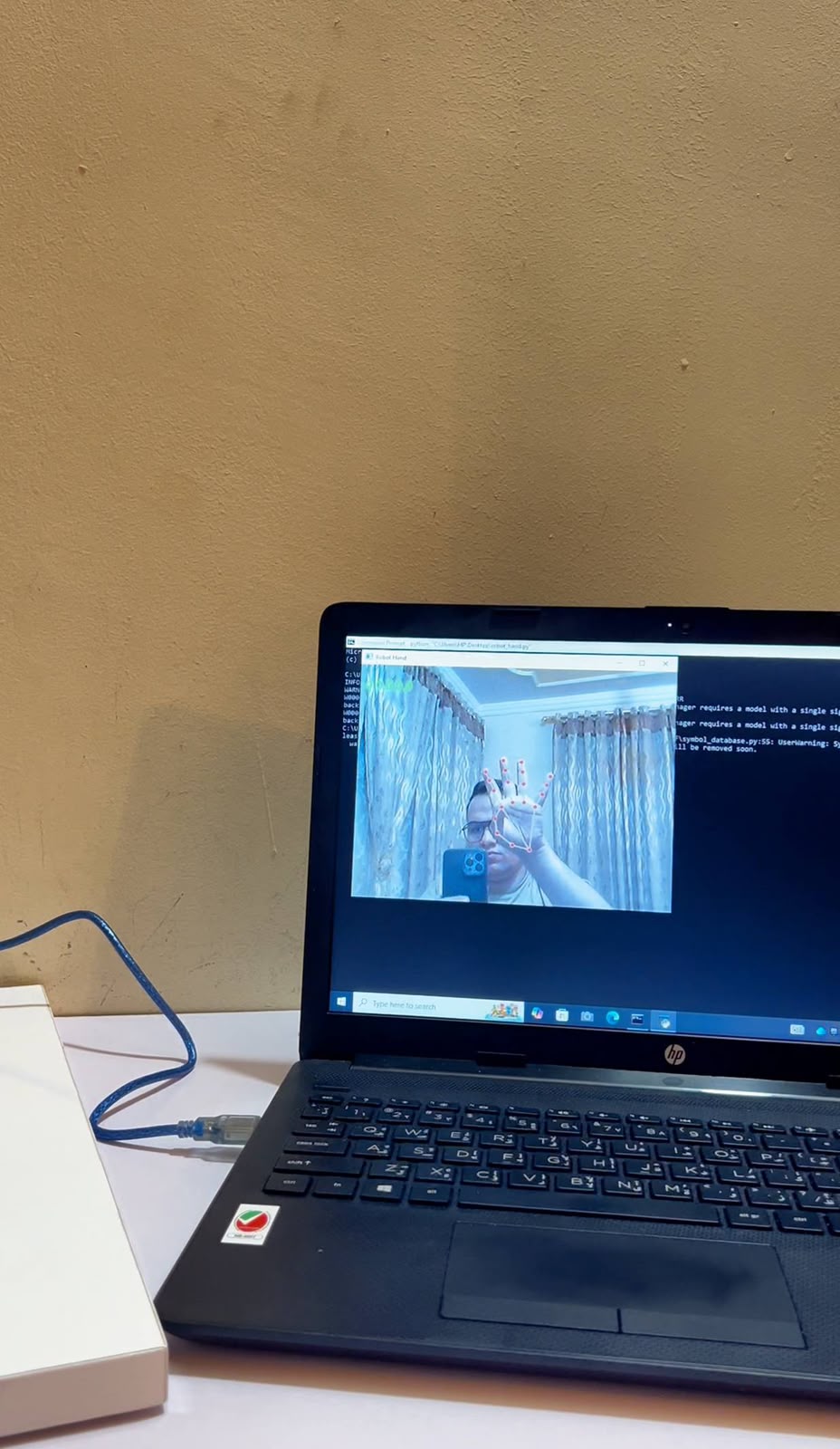
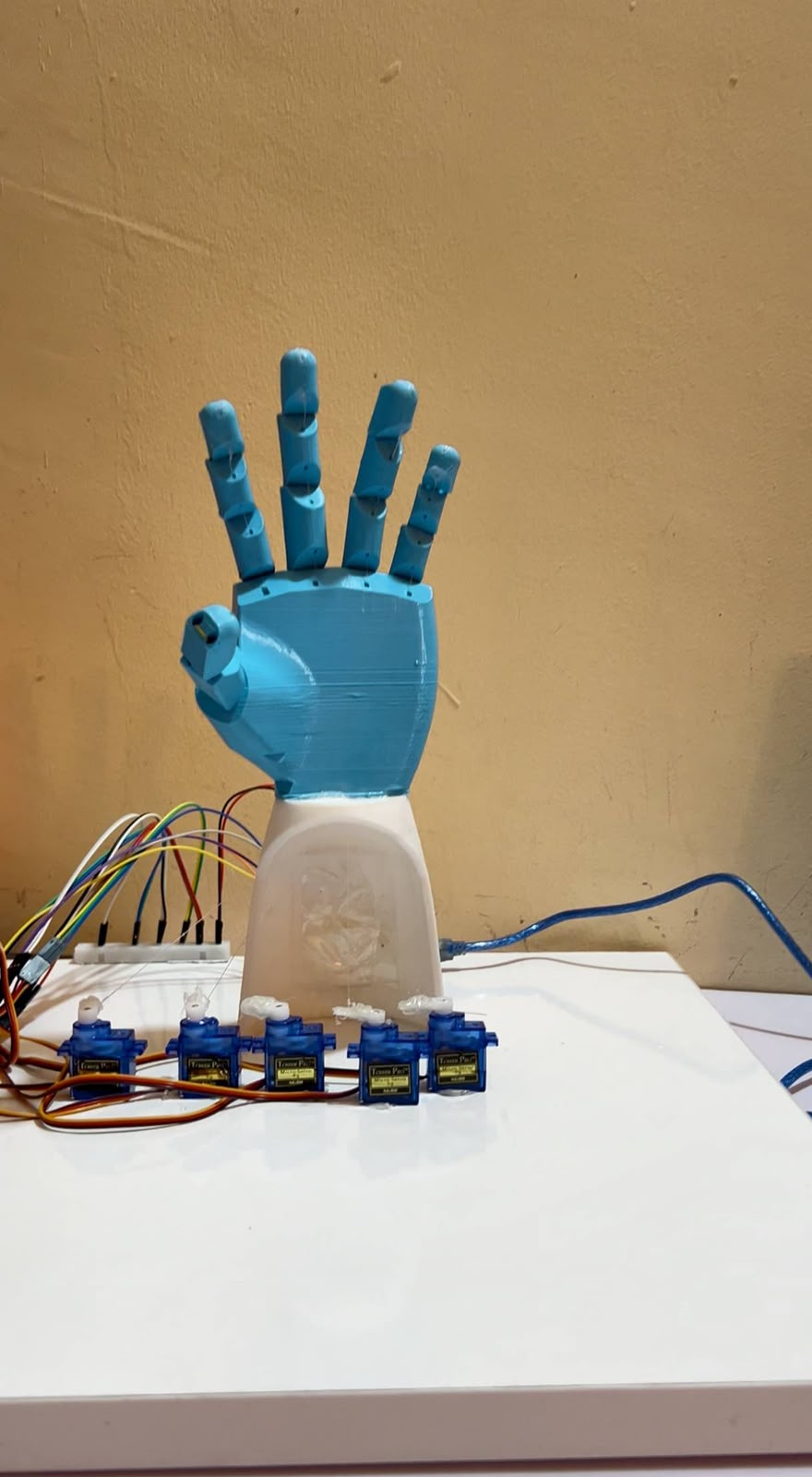
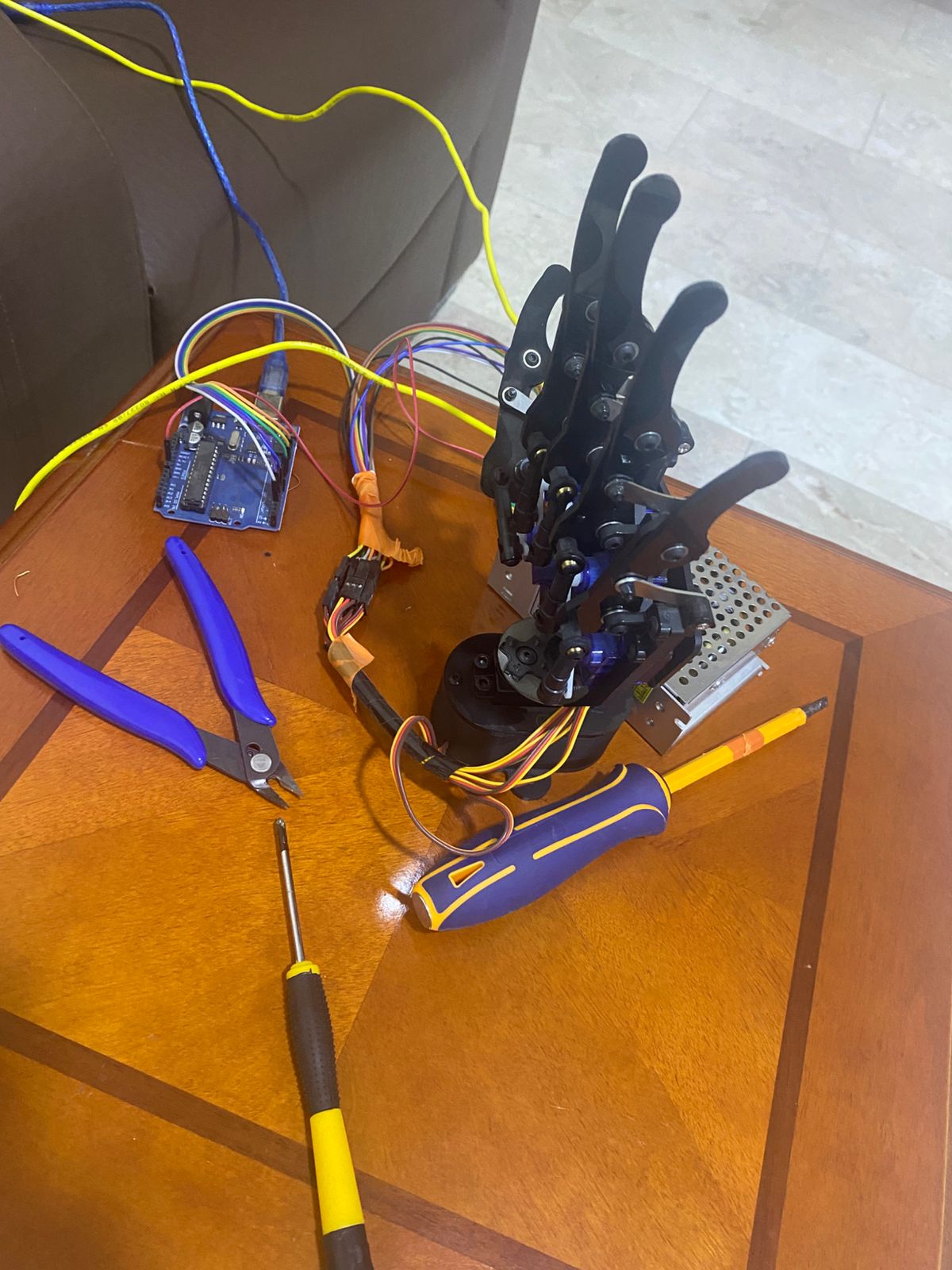
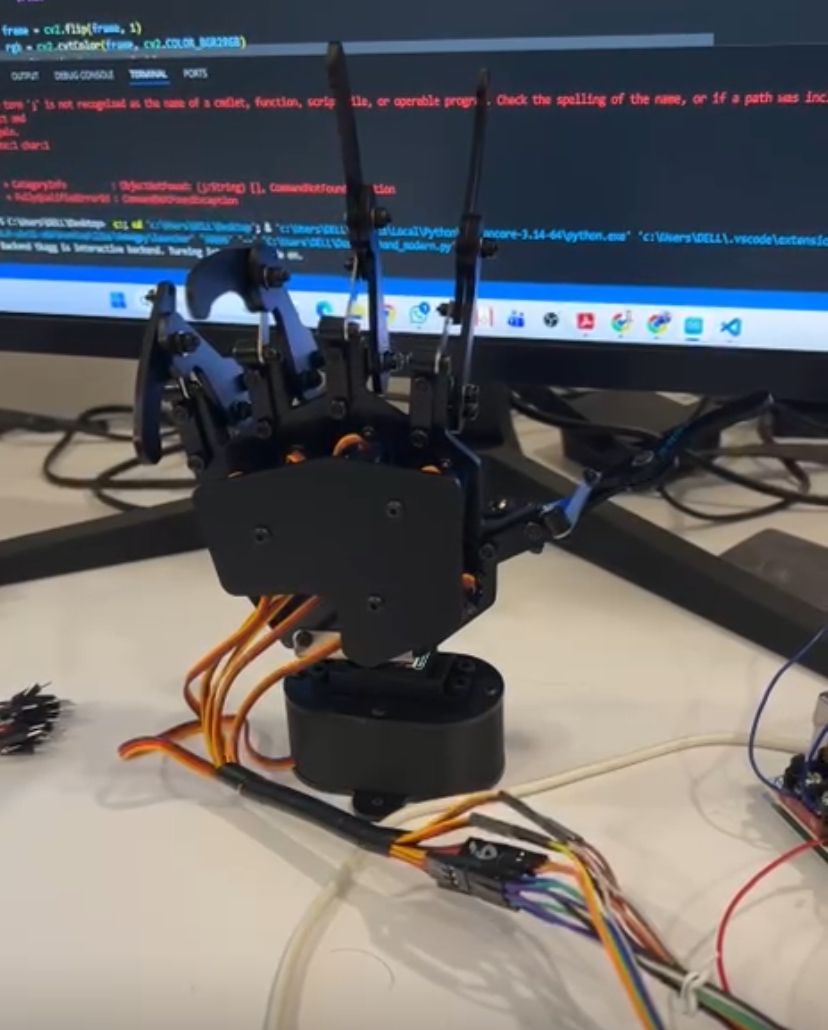
This paper presents the design, implementation, and evaluation of a low-cost smart prosthetic hand controlled in real time through hand gestures and computer vision. The work addresses the limited accessibility of advanced prosthetic solutions, which remain expensive and dependent on complex physical or biological sensors such as surface electromyography electrodes. Instead of wearable sensing, the proposed approach uses a single standard webcam to capture and interpret human hand movements. The software employs OpenCV and the MediaPipe Hands framework to detect twenty-one hand landmarks and to track the thumb and index fingertips; a scale-normalized Euclidean distance between these fingertips is computed and compared against an empirically tuned threshold to classify the hand as open or closed. The resulting command is transmitted from Python to an Arduino Uno microcontroller through serial communication, driving micro servo motors that reproduce the corresponding motion in a 3D-printed prosthetic hand. A structured evaluation protocol is defined based on classification accuracy, precision, recall, F1-score, end-to-end latency, and processing frame rate, measured across repeated trials and different lighting conditions. The prototype demonstrated reliable real-time performance, low latency, and simple software–hardware integration, offering an affordable, contactless, and reproducible alternative to conventional prosthetic-control methods. The system also provides a strong foundation for future work, including independent multi-finger actuation, wireless control, and machine-learning-based gesture recognition
المسار الطبي
Design and Implementation of a Smart Prosthetic Arm Using Computer Vision for Finger Movement Control
يتناول هذا المشروع مشكلةً جوهريةً في مجال التقنيات المساعدة وهندسة إعادة التأهيل، إذ إن الأطراف الاصطناعية التقليدية إما أن تكون سلبية الحركة أو تعتمد على وسائل استشعار مكلفة وغير موثوقة مثل إشار…
الفريق
عقول المستقبل
رمز الفريق
NURAI2026-0092
المشرف
م.م عبد الرحمن فتيخان
قراءة الوصف الكامل للمشروع
يتناول هذا المشروع مشكلةً جوهريةً في مجال التقنيات المساعدة وهندسة إعادة التأهيل، إذ إن الأطراف الاصطناعية التقليدية إما أن تكون سلبية الحركة أو تعتمد على وسائل استشعار مكلفة وغير موثوقة مثل إشارات العضلات الكهربائية السطحية أو القفازات المزوّدة بالحساسات. ويستند الحل المقترح إلى منظومة رؤية حاسوبية لا تلامسية تعتمد على كاميرا ويب اعتيادية ونموذج MediaPipe لاكتشاف معالم اليد، حيث تُحسب درجة انثناء كل إصبع في الزمن الحقيقي، ثم تُحوَّل إلى زوايا لمحركات السيرفو بعد تمريرها عبر مرشّح تنعيم أسّي ونطاق ميّت لإخماد الاهتزاز، وتُرسل عبر منفذ تسلسلي إلى متحكم أردوينو يقود ستة محركات سيرفو في يد اصطناعية قابلة للطباعة ثلاثية الأبعاد. ويهدف المشروع إلى توفير طريقة بديهية ومنخفضة الكلفة وخالية من الحساسات لمحاكاة حركات الأصابع الطبيعية. وقد أظهرت النتائج التجريبية تتبعاً سلساً لكل إصبع على حدة بمعدل إرسال 30 مرة في الثانية وبتأخير غير محسوس بصرياً، مع تقليل ضوضاء المحركات واستهلاك الطاقة باستراتيجية فصل تلقائي. وتشمل النتائج المتوقعة منصة اصطناعية ميسورة الكلفة تصلح للتدريب التأهيلي والعلاج بالمرآة وللتطوير المستقبلي نحو واجهات تحكم موجهة لمبتوري الأطراف.
مسار التربية والتعليم
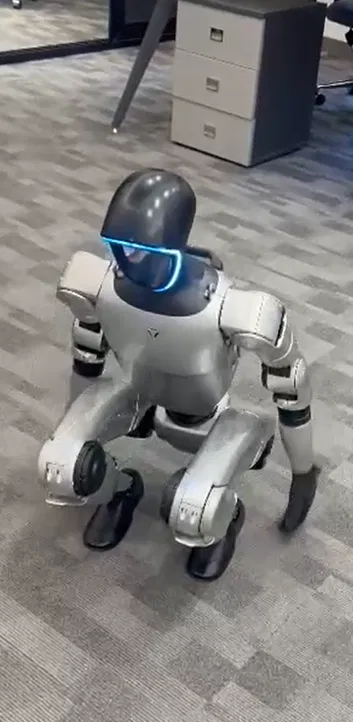
المساعد الحركي الآلي: توظيف الروبوت البشري Unitree G1 في دعم تدريس التربية الرياضية
يهدف هذا المشروع إلى توظيف روبوت Unitree G1 البشري مساعداً ذكياً لمدرس التربية الرياضية، من خلال برمجته على أداء حركات رياضية دقيقة وقابلة للتكرار. يعتمد النظام على بيئة تطوير مبنية على Ubuntu Li…
الفريق
RoboCore
رمز الفريق
NURAI2026-0094
المشرف
ا.م.د محمد ربيع هاشم
قراءة الوصف الكامل للمشروع
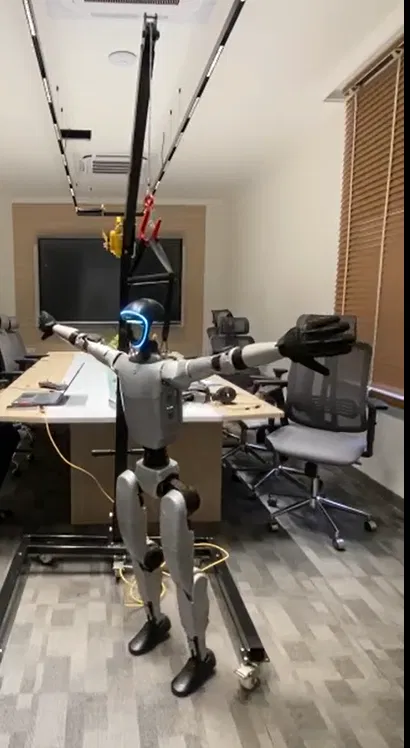
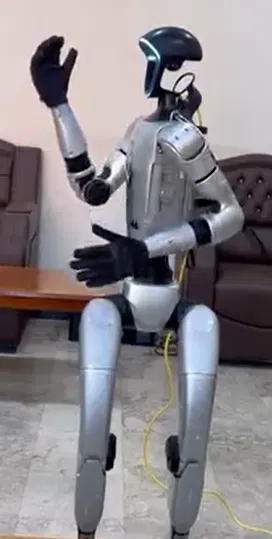
يهدف هذا المشروع إلى توظيف روبوت Unitree G1 البشري مساعداً ذكياً لمدرس التربية الرياضية، من خلال برمجته على أداء حركات رياضية دقيقة وقابلة للتكرار. يعتمد النظام على بيئة تطوير مبنية على Ubuntu Linux وUnitree SDK2 وبرامج تحكم بلغة C++، مما يُتيح التحكم المباشر بمفاصل الروبوت عبر اتصال إيثرنت سلكي.
مسار خدمة المجتمع
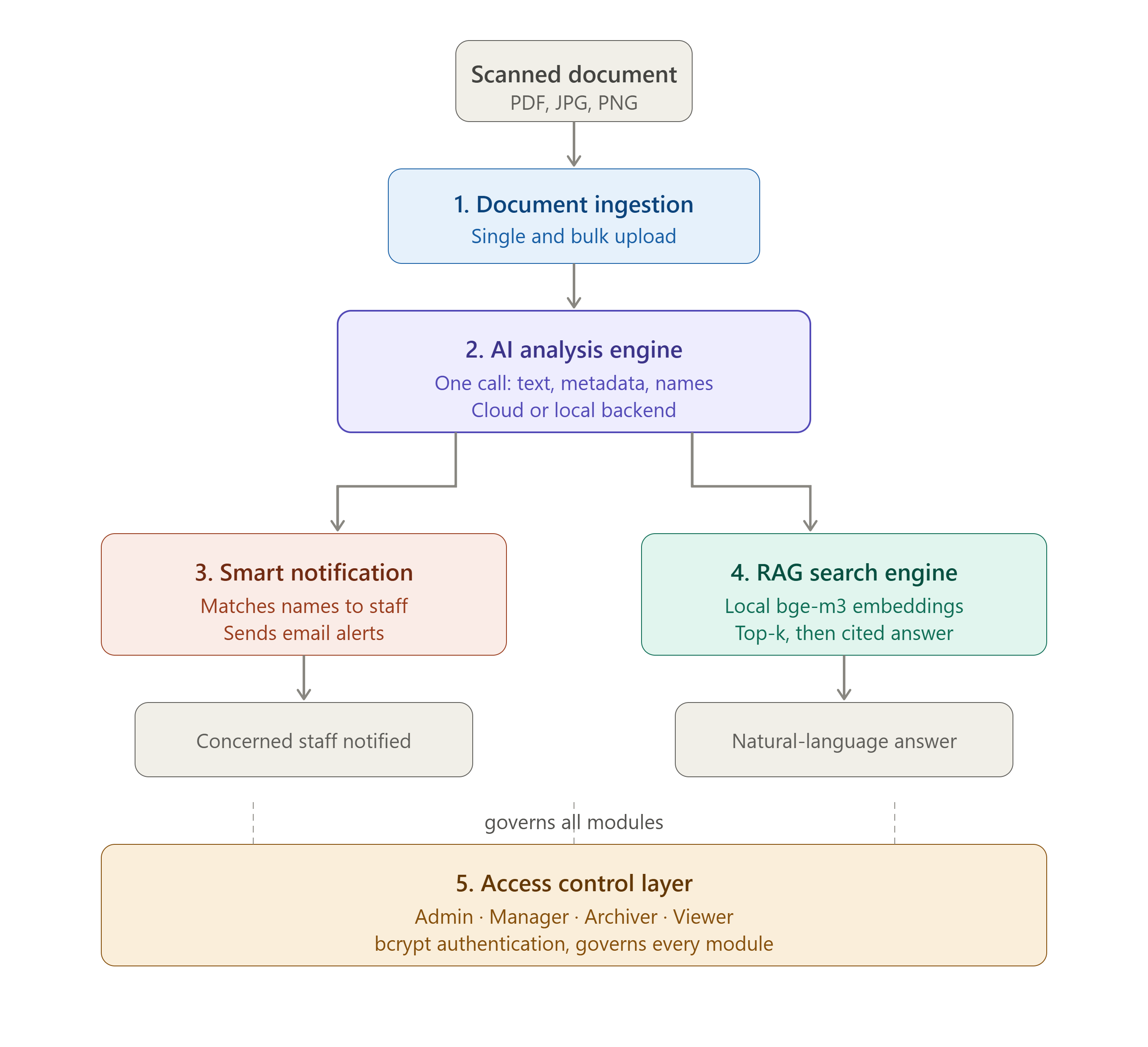
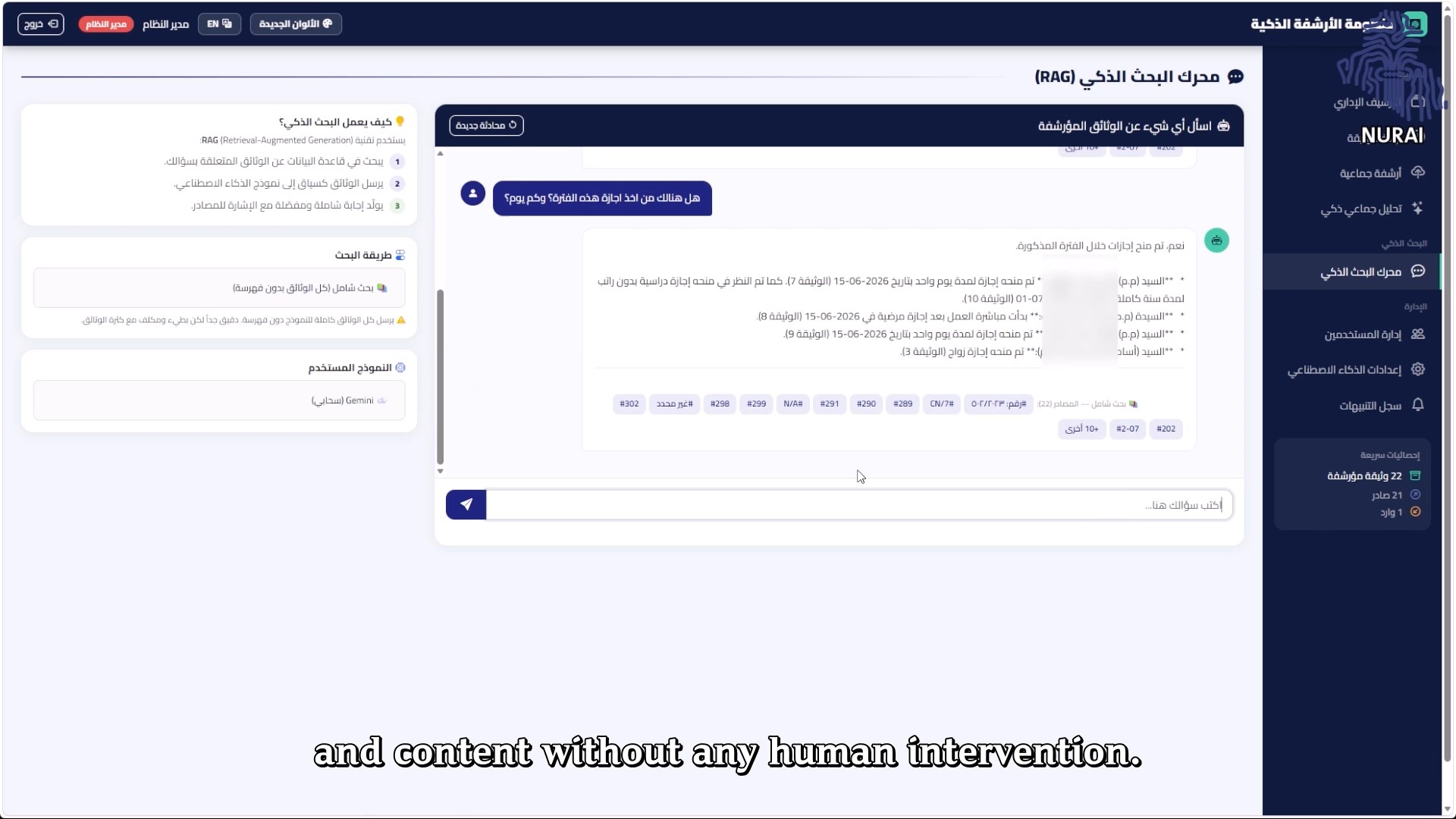
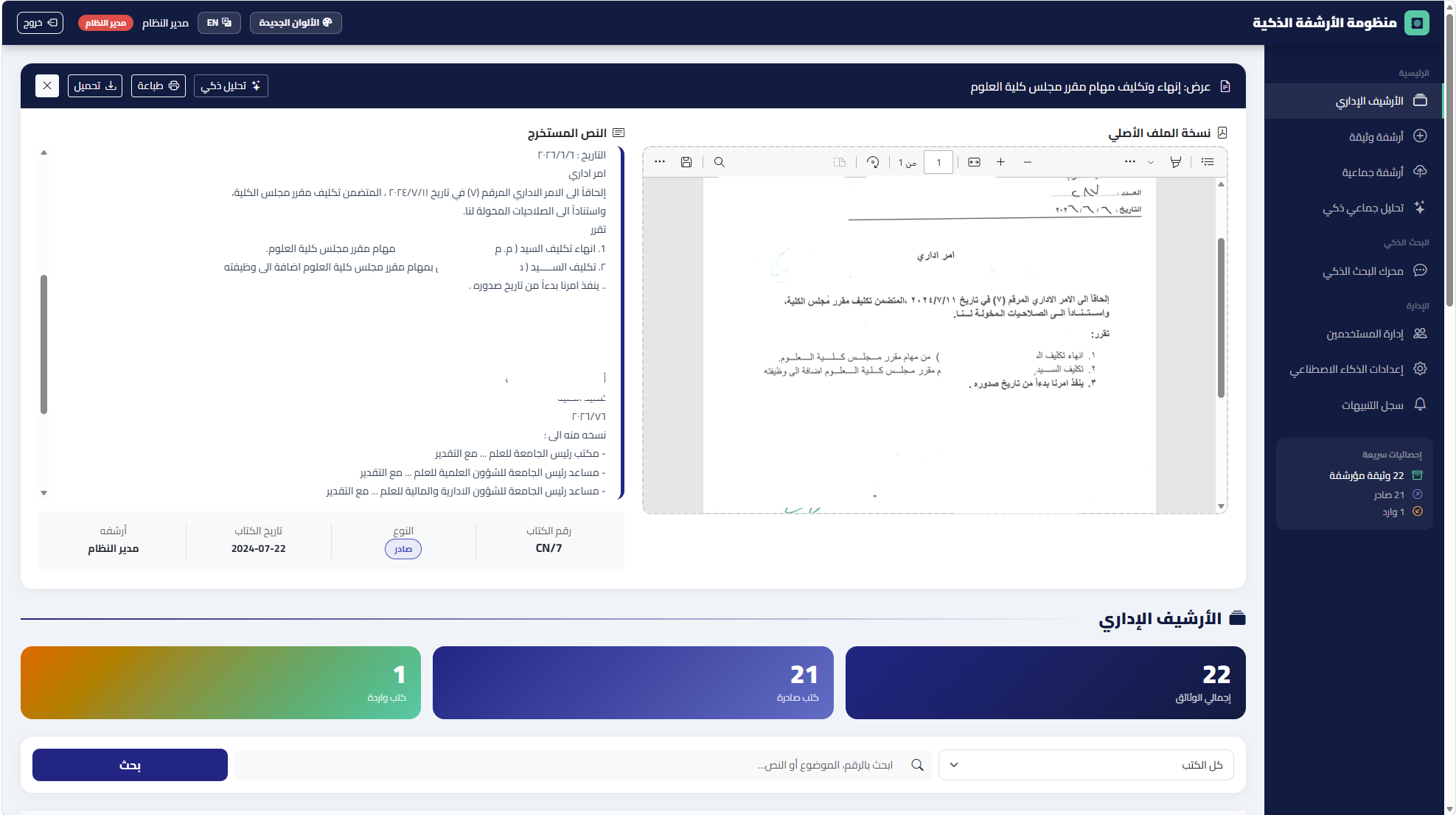
منظومة الأرشفة الذكية المدعومة بالذكاء الاصطناعي: معالجة الوثائق الآلية والتنبيهات والبحث التفاعلي باستخدام النماذج اللغوية متعددة الوسائط
يعالج هذا المشروع القيود التقليدية في المؤسسات الإدارية (الحكومية والخاصة) التي تتعامل مع كميات هائلة من المراسلات الصادرة والواردة والمذكرات الداخلية. تعتمد الطرق التقليدية على الإدخال اليدوي وا…
الفريق
المعارف اولا
رمز الفريق
NURAI2026-0091
المشرف
م.م انس عبدالستار فرج
قراءة الوصف الكامل للمشروع
يعالج هذا المشروع القيود التقليدية في المؤسسات الإدارية (الحكومية والخاصة) التي تتعامل مع كميات هائلة من المراسلات الصادرة والواردة والمذكرات الداخلية. تعتمد الطرق التقليدية على الإدخال اليدوي والبحث الحرفي الصارم باستخدام كلمات مفتاحية محددة، مما يسبب بطئاً وضياعاً للوقت. يقدم هذا النظام حلاً مبتكراً عبر بناء منظومة أرشفة ذكية ومتكاملة تُوحد عمليات التقاط الوثائق وتحليلها واسترجاعها باستخدام النماذج اللغوية الكبيرة متعددة الوسائط (Multimodal LLMs). يقوم النظام باستخراج النصوص والبيانات الوصفية (مثل التاريخ، رقم الوثيقة، النوع) من الوثائق العربية الممسوحة ضوئياً، ويطابق أسماء الموظفين دلالياً لإرسال تنبيهات بريدية تلقائية، مع توفير محرك بحث متطور يعتمد على لغة طبيعية.